
What Destination Marketers Get Wrong About Culinary Tourism
Why the wine industry's heritage-first playbook is missing the travellers who actually spend
The best culinary tourism marketing I've seen doesn't tell you where a region has been, it tells you exactly what you're going to feel with a glass in your hand – before you've even booked anything.
The anticipation of the specific weight of a barrel-aged red, the engaging conversation that happens over a long outdoor table, the small satisfaction of tasting something you don’t have at home… It all sells an experience you can already imagine, not a chronology of history that you're meant to admire.
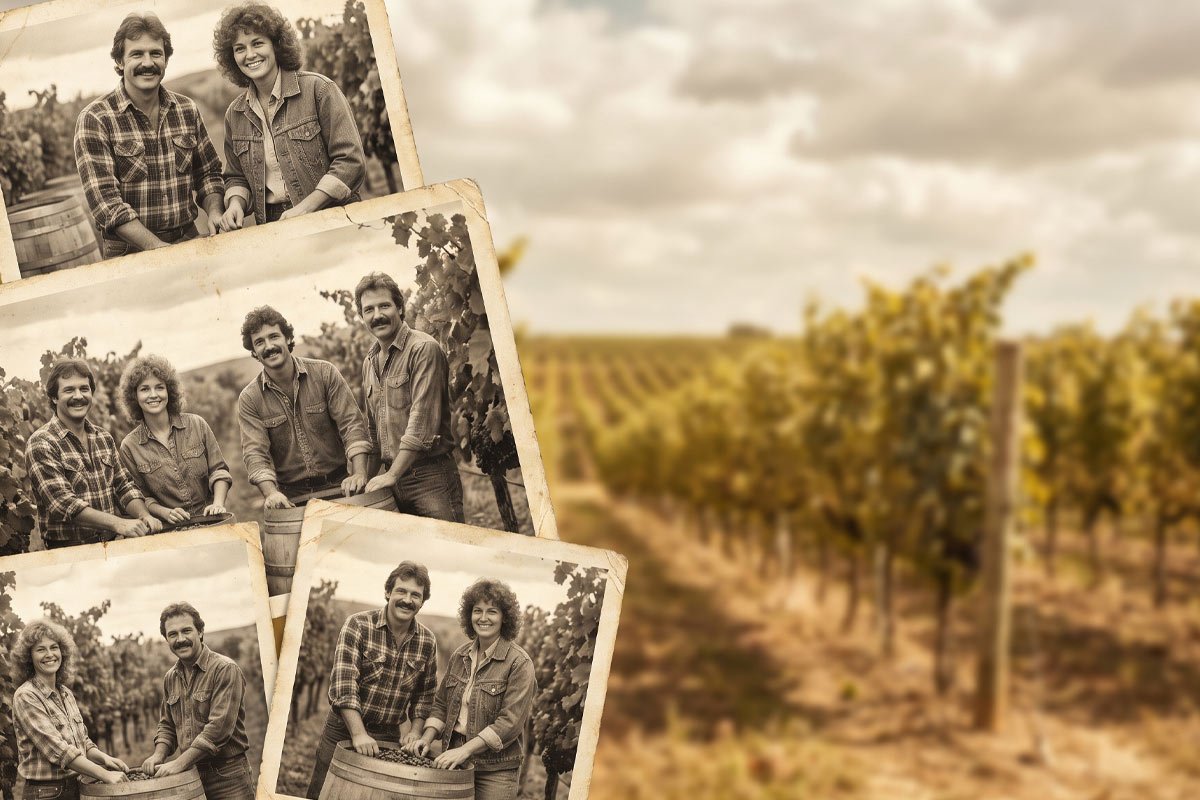
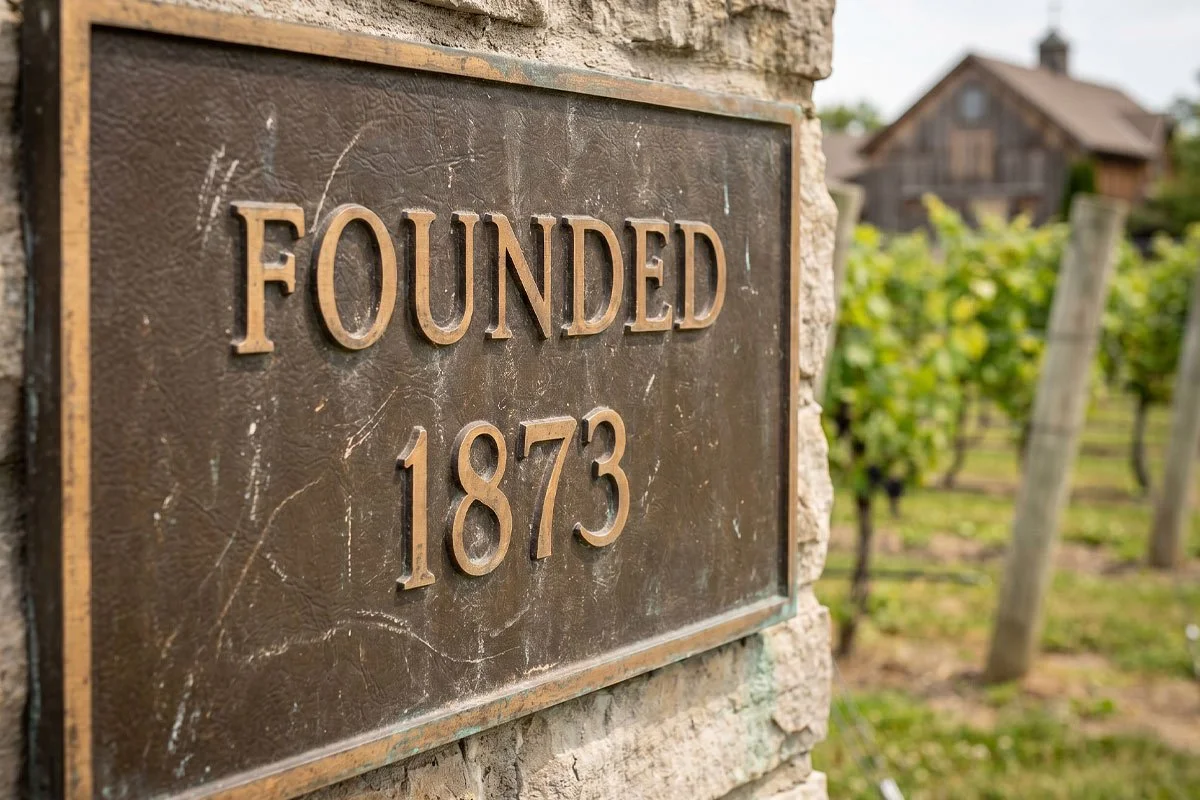
When destination marketing for wine and culinary tourism doesn't trigger imagination and curiosity, it can default to heritage: founding dates, family lineage, old photographs, a voiceover about "generations of tradition." It's sincere, well-produced, and yet it misses the person it most needs to engage. A winery’s ideal customer.
The Audience that Heritage Storytelling is Actually Talking To
Picture the person a heritage-first ad is built for: someone who finds meaning in old documents and long family lineages — someone who's drawn to tradition for its own sake. That's a real audience for sure. It's just usually not the primary audience that wine and culinary destinations most want to reach.
I also suspect (in some cases where it’s produced by an association or other third party) that this approach may be designed to cater to the wineries themselves, as a nod that highlights their past and makes them feel good. That’s understandable if you’re an association or tourist board catering to your members, but do wineries want tourism boards that are stroking their egos? Wouldn’t the wineries be happier with creative marketing that attracts their target demographic of experience-driven upscale clientele – people who will spend money and share their experiences on social media?
The majority of travellers who actually spend money on a destination trip — multiple tastings, a nice dinner, an overnight stay, a few bottles to bring home — aren't booking a history lesson. They're booking an experience they can feel before they even arrive: the anticipation of a specific glass in a specific place, the sense that they're doing something a little bit special, something worth telling people about, something unique they haven’t experienced before. Heritage can be part of that story. But it’s almost never the reason someone clicks "book now."
This is the mistake I see often in destination marketing for food and wine: mistaking authenticity for history, and mistaking history for emotional engagement. They're not the same thing, and treating them as interchangeable is how a well-crafted campaign ends up moving nobody.
Why this Keeps Happening
It's not that destination marketers don't know their audience. It's that heritage storytelling is seen as a safe choice. It's dignified. It's defensible in a boardroom. It makes winery employees feel good. Nobody gets fired for showing a black-and-white or vintage photo of a founder. Committees can agree on "we've been doing this since 1987" in a way they can't always agree on something that may be “riskier” or more unique. But spoiler alert: unique is usually what actually moves someone to book a visit.
There's also a research gap hiding underneath this. A lot of destination marketing gets built around what a region is proud of, rather than around what its actual highest-spending visitor is looking for when they're deciding where to visit on a long weekend.
Those are two very different lists.
What Actually Triggers Engagement
I'm not going to lay out the full marketing framework here — that's part of what I get hired to do — but I'll point to the shape of it.
The travellers who spend the most on a wine or culinary destination are responding to different signals than the ones that most heritage-driven marketing leans into:
Be specific. A story about one winemaker's exact decision on one specific vintage does more from a marketing perspective than decades of general lineage can ever do. Specific is memorable. General is forgettable, no matter how true it is.
Sensory anticipation over historical fact. People don't book a trip because they learned a date or saw some old photos. They book experiences because they can already imagine what something will taste, smell, or feel like — and that imagined experience is what heritage-first storytelling usually misses.
The value of the story to the customer. A high-spending visitor is often (whether they'll admit it or not) thinking about how a trip will sound to the people they tell about it afterward. That's not shallow — it's just human, and it's a lever that heritage storytelling rarely pulls.
None of this means you should abandon history. It just means that history should be seasoning, not the entire dish. The history and its stories should be used to add credibility to an experience that's already been sold on something more immediate and engaging and desirable.
The Real Fix isn't a Better Script
The temptation, watching a heritage ad like this, is to think the fix is better writing or a punchier voiceover. It isn't. The fix is going back to the strategy stage and asking who you're actually trying to move, what they’ll respond to, and whether the story you're proud of telling is the same story that gets them to book. In other words, know your audience. Those two things line up less often than most destination marketing assumes.
That gap — between the story an organization is proud of and the story that actually sells the trip — is where I spend most of my time working (whether it’s with wineries, tourism boards, trade associations or hospitality brands).
It's not a copywriting problem. It's a positioning problem, and it needs to be solved before a single ad gets made.
Mike Belobradic is a marketing and brand strategist with 30 years of executive experience, formal culinary training, WSET wine credentials, and certification as a KCBS barbecue judge. He works with wineries, tourism boards, and hospitality brands on brand strategy, guest experience design, and Smoke Fire Grill & Wine sessions exploring the relationship between fire, smoke, and flavour.