
What is Performance Marketing? Not What You’ve Been Told
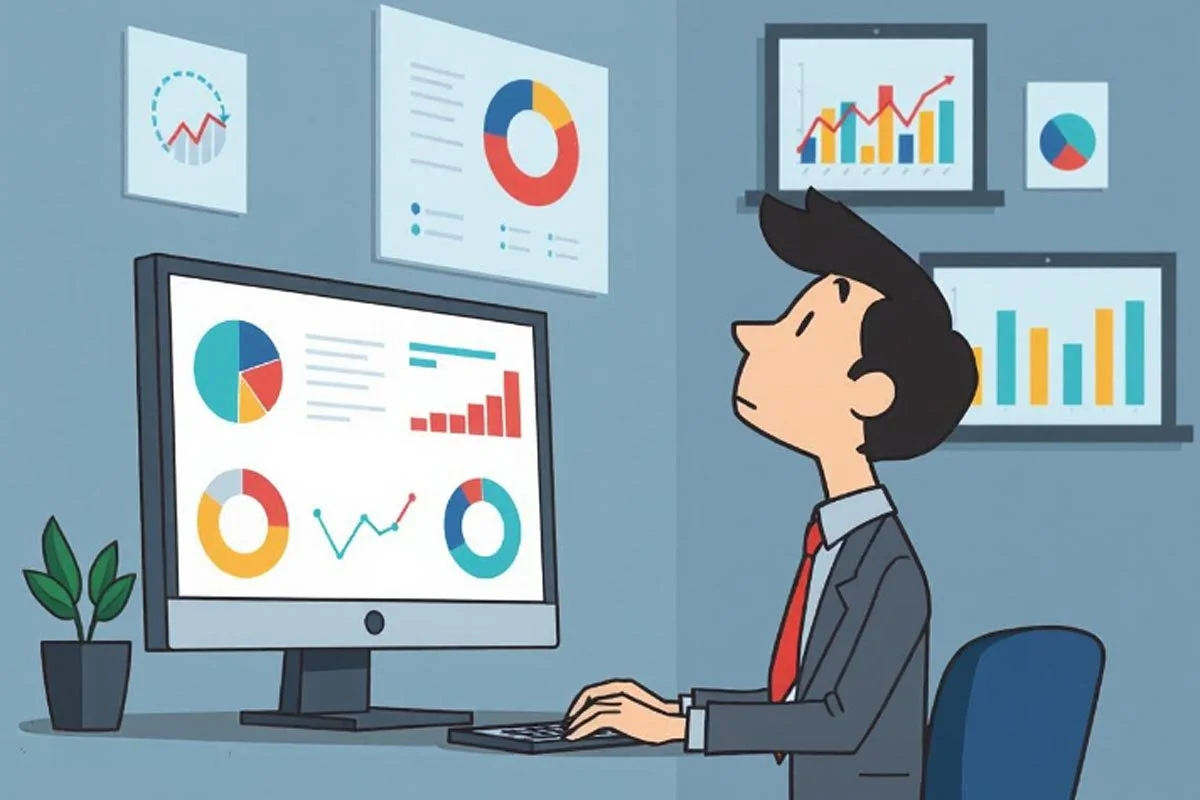
The Myth of Performance Marketing as a Standalone Discipline
The term performance marketing is tossed around a lot as if it represents some new, standalone discipline. Companies want “performance marketers,” “performance-driven campaigns,” and “performance-first strategies.” The implication is that performance marketing is somehow separate from “regular” marketing or even from digital marketing (yes, I have actually seen that point argued, believe it or not).
But I have some news for all of the nouveau marketers…
Performance Marketing isn’t a Strategy: it’s an Output
In my experience, performance marketing isn’t a distinct branch of marketing. It’s not a silo and it’s definitely not a replacement for solid brand, content, or digital strategy. It’s a measurement philosophy for the work that you do.
Treating it as anything else is one of the biggest blind spots in modern marketing.
What Performance Marketing Actually Means
At its core, performance marketing is simple: It’s marketing that is measured.
Clicks, conversions, ROAS, CAC, attribution models… these are the tools of performance marketing. They’re important because they help us understand what’s working and what isn’t. But they are not the strategy. Nor are they a standalone substitution for a comprehensive marketing strategy.
Performance marketing is the output of strategic inputs. It’s the scoreboard, not the playbook.
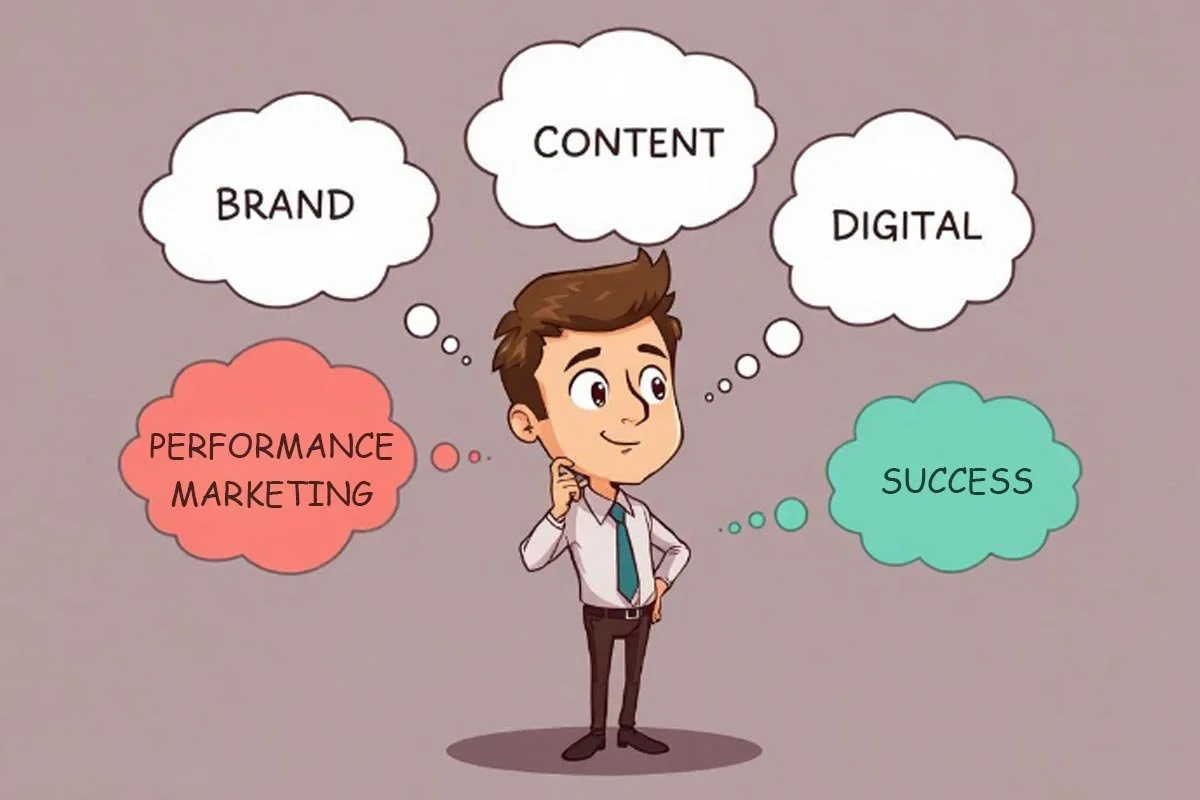
Why True Marketing Success Still Depends on Brand, Content, and Digital Foundations
Marketing vs. Digital Marketing vs. Performance Marketing
Let’s break down the distinctions between these three marketing principles, because this is where the confusion often begins.
Marketing
Marketing is the umbrella. It includes everything to do with the brand, messaging, positioning, audience understanding, product-market fit, storytelling, creative, distribution, and yes—measurement. It’s the overarching discipline that shapes how a company shows up in the world.
Digital Marketing
Digital marketing is simply marketing executed through digital channels. It’s a subset of marketing, not a separate universe. SEO, AEO/GEO and AI, email, paid social, content, automation, UX etc. These are all digital expressions of broader marketing strategy.
Performance Marketing
Performance marketing is not a channel or a tactic. It’s the practice of measuring the effectiveness of marketing activities, typically digital ones, through data and analytics.
Put another way, performance marketing is the lens, not the landscape.
The Mistake of Treating Performance Marketing as a Standalone Discipline
Here’s where the nouveau marketing crowd has gone off the rails: Many organizations treat performance marketing as if it can operate independently of brand, content, or digital strategy.
But performance marketing without strategy is like analytics without context. You can measure just about everything, but you can’t mean anything.
A Few Truths About Performance Marketing that I have Found:
Performance marketing can’t create demand. It can only capture it.
Performance marketing can’t fix weak messaging. It can only reveal that the messaging isn’t working.
Performance marketing can’t compensate for a lack of brand trust. It can only show you the cost of not having it.
Performance marketing can’t exist without content. This is my personal favorite. Ads, landing pages, emails, funnels—these are all content-driven experiences. (And for those “content is dead” marketers out there, you need to understand that content is, quite literally, everything.)
Performance marketing can’t operate without a digital ecosystem. You need infrastructure, channels, and customer journeys for performance to even be measurable.
Yet, despite all of this, businesses continue to hire “performance marketers” expecting them to magically generate results in a vacuum.
Performance is Powered by Strategy
If you want performance, you need the foundations that make performance possible:
1. Brand Strategy
Performance marketing (like virtually everything in marketing) works best when the brand is clear, differentiated, and trusted. Strong brands convert more efficiently. Weak brands generally have higher acquisition costs.
2. Content Strategy
Performance marketing is fueled by content. Ads need creative. Funnels need messaging. Audiences need value. Without compelling and strategic content, performance marketing is just a spreadsheet with no story.
3. Digital Strategy
You need the right channels, the right customer journeys, and the right infrastructure. Performance marketing can optimize a path, but it can’t actually build the path (at least not a path that leads anywhere you want it to go).
When these three strategies work together, performance becomes a natural outcome. Not a silo. Not a specialty. Not a flavour-of-the-month.
Performance Marketing is a Part of Good Marketing, Not a Replacement for It
The industry’s obsession with performance marketing stems from a desire for certainty. I get it. Numbers feel safe. Dashboards feel concrete. Attribution models feel scientific. Executives want to see something nice looking that illustrates some sort of ROI or progress. Of course, as good marketers, we are always evaluating and continually assessing and optimizing.
But marketing isn’t a lab experiment, it’s a system. And in any healthy system, performance is a measure of how well the system is functioning (not the system itself).
The businesses that win aren’t the ones chasing performance marketing as a standalone discipline. They’re the ones building strong brands, telling compelling stories, creating meaningful content, and using performance data to refine and accelerate what already works.
Performance marketing is powerful, but it’s only truly valuable when it’s part of something bigger.
By Mike Belobradic
Read more posts about marketing strategy for your winery or tourism business.