
Building a Winery Brand with Legs
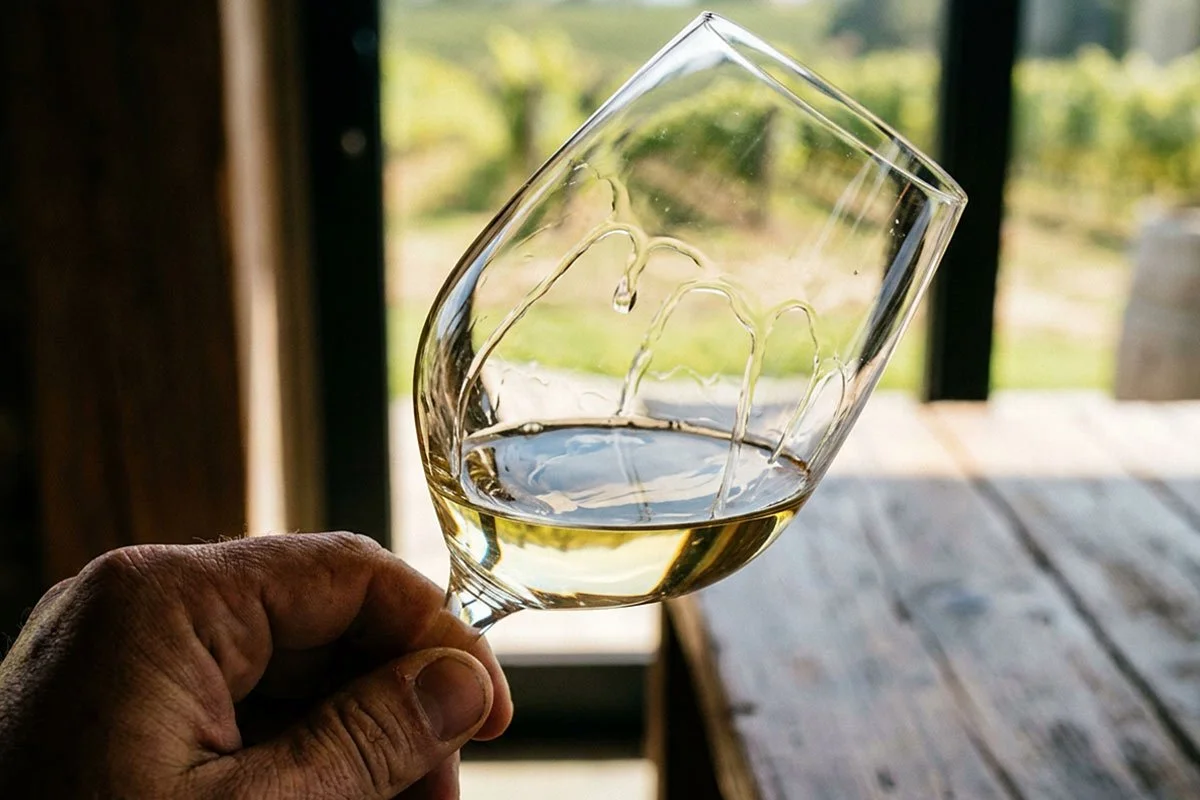
Every wine taster knows what "legs" means. But is your winery brand actually built with any?
A wine's legs are a visual sign of body and other elements. A winery brand also needs some legs, but in the other sense of the word: staying power that doesn't depend on this year's vintage being exceptional, a critic's opinion being favorable, or this season's tourist traffic showing up on schedule.
Some winery brands are built on those kinds of dependencies. When that’s true, downturns are often not a marketing execution problem, but more of a brand structural challenge. It's worth asking whether the marketing being run in your winery’s name right now is building a long-term valuable asset for your wine business, or is it just managing your brand in the present?
The Question Worth Asking as a Winery Executive, Not a Marketing Manager
Your winery marketing team (or your agency) is very likely doing good, defensible work. They cover seasonal promotions, ensure widespread promotion of a good vintage when it lands, and add some marketing push around a strong review when one comes in. All of that is good, but it’s not the same as building brand equity that survives a bad year.
If you've spent any time around serious capital — investment portfolios, business valuations, wealth structured to survive a downturn — you know the following distinction (even if nobody has framed it this way for your winery): There's a real difference between an asset whose value depends on one input performing well, versus an asset that’s built to hold its value across a range of outcomes.
A lot of winery brands are built the first way. Almost none of the owners I talk to actually intended it that way — it's just what happens when a marketing “strategy” gets built on an approach that’s basically one campaign or one season at a time, without anyone stepping back to ask whether the accumulated result actually has legs for the brand.
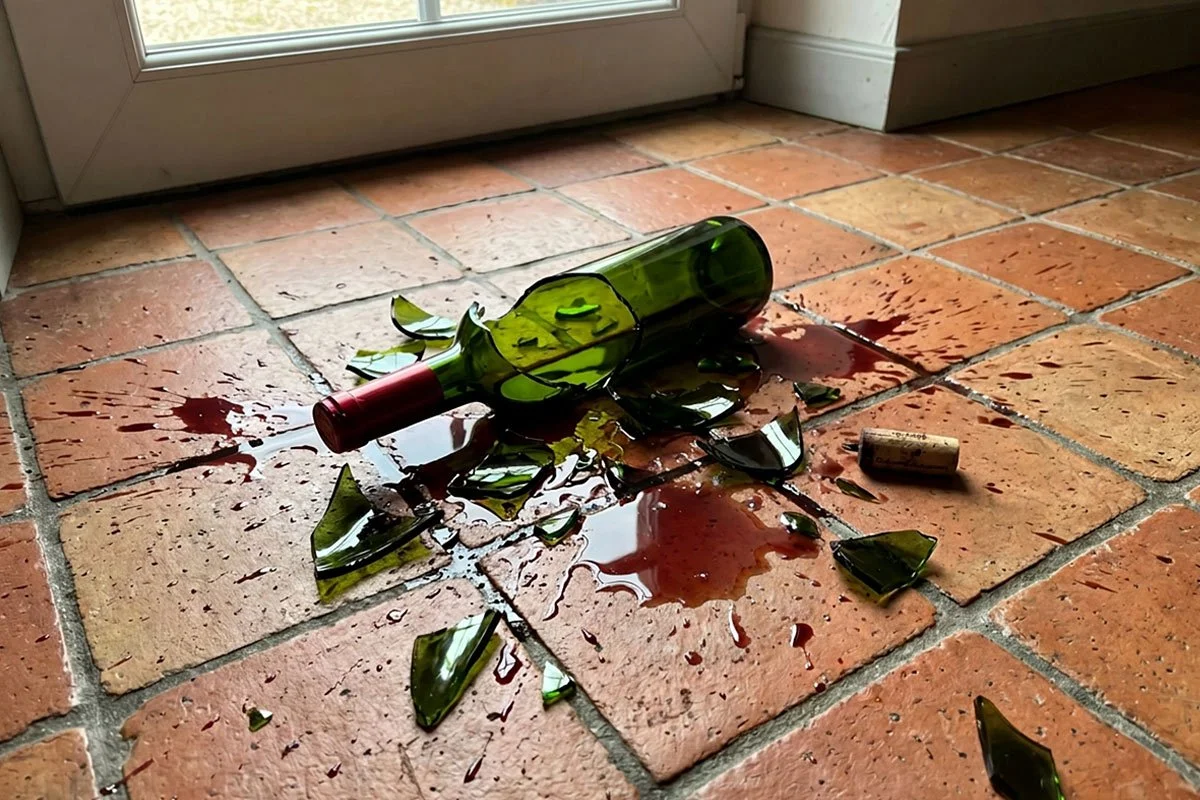
Three Single Points of Failure that Hide in Plain Sight
One vintage.
A single exceptional year is a great thing to market, but a terrible thing to build your brand identity around. If your winery's reputation is unintentionally (or worse, intentionally) anchored to "the year we made that incredible Cabernet," you've built a brand with an expiration date. Vintage variation is inevitable and the next mediocre year will be measured against a bar that the brand itself set too high.
One reviewer.
The wine industry has an unusually concentrated relationship with critical scores. In this sense, a favourable number from the right critic can meaningfully move demand, while an unfavourable one can hurt it.
A single high score from a major publication can shift allocation demand within days of release. This sounds great, until you realize what it implies in reverse: a brand that has leaned on that same dependency has effectively outsourced its reputation to someone else's palate, on a specific day, in a specific mood. A strong rating can be a powerful marketing tool (and should be leveraged), but don’t forget that a weak one can turn any wine into a sales dud almost overnight. Neither of those are a marketing strategy, they’re basically bets placed on someone else's judgment, repeated every release cycle.
One season.
Tourism-dependent revenue is real and valuable, but a brand that only shows up, only communicates, and only feels alive during the peak summer travel season has built something closer to a seasonal business than a durable brand.
The wineries with real staying power have found a way to matter in the off-season too. This isn’t only through visitor traffic, but through the brand continuing to exist meaningfully in people's minds year-round.
Why this Matters to Management than the Marketing Team
If they’re not an experienced brand strategist, the person running your day-to-day marketing can become optimized for this quarter's results, or a summer season with higher foot traffic. That's part of their job. But nobody in that seat is naturally incentivized to ask the bigger question: is what we're building durable, or are we just having a good year? That question belongs to the owner, because the owner (or senior management) is the one who actually bears the cost when a bad vintage, a lukewarm review, or a slow visitor season reveals that the brand has no structure (no legs) after all.
This is the kind of question (are we really building a long-term brand?) that's easy to lose sight of from inside the business, and exactly the kind of question an outside strategic perspective is built to ask cleanly. It’s not because your in-house marketing team lacks the ability to answer it, but because they're not always the ones well-positioned to ask it in the first place.
What a Wine Brand with Legs Actually Looks Like
It's a brand whose story doesn't rely significantly on any single input performing well. It’s a wine brand that has been thoughtfully built around place, philosophy, people, and a unique point of view that holds up just as well in an average year, as it does in an exceptional year. It's a brand that survives a critic's off day, a difficult harvest, or a quiet January, because none of those was ever the actual foundation.
The vintage, the review, the season — those are all real and worth celebrating when they go your way. It’s just that they were never supposed to be load-bearing for the creation of a foundational and long-lasting brand strategy.
Read more posts about brand strategy.
By Mike Belobradic — Winery, Tourism & Hospitality Marketing Consultant, 30 Years in Brand Strategy for High-Net-Worth Financial Institutions, WSET-Certified, Founder of Smoke Fire Grill™ and the Northern Barbecue™ method
FAQ
What does it mean for a winery brand to have "legs"?
It means the brand's reputation and value hold steady regardless of any single vintage, critic score, or seasonal traffic pattern. It’s the same durability implied by a wine's physical legs in the glass, but applied to brand strength, instead of body and structure.
Why is depending on wine critic scores risky for a winery's brand?
Because a single score from an influential critic can meaningfully swing demand in either direction, effectively outsourcing part of the brand's reputation to one person's judgment on one tasting occasion (and not something the winery controls).
Isn't celebrating a great vintage or a strong review still good marketing?
Yes. But the issue isn't celebrating good outcomes, it's whether the brand's core identity depends on those outcomes to happen. A durable brand treats a great vintage or score as a bonus, not as the foundation the rest of the brand rests on.
Why should this be an owner-level concern rather than a marketing team decision?
Because day-to-day marketing is typically optimized for the current shorter timeframes, while long-term brand durability is a structural question that only the person bearing the business risk is naturally positioned to prioritize.