
Winery Marketing Consultant
Marketing and brand strategy for wineries, grounded in both marketing expertise and genuine wine fluency
Mike Belobradic is a winery marketing consultant who combines 30 years of executive brand and marketing leadership with formal WSET wine credentials, formal culinary training, and live-fire cooking expertise.
Rather than treating wine as just another product category, I build positioning, content, and guest-experience strategy rooted in real subject-matter fluency. I work with wineries who want a marketing partner who understands what's actually in the glass and who is walking through the door, not just how to run a campaign around it.
Why a winery needs a different kind of marketing consultant.
Wineries aren’t just selling bottles of wine: they’re selling place, provenance, craft, hospitality and a reason to care.
And it’s often to customers who know enough about wine to recognize when the story doesn’t match the substance.
That makes winery marketing much more dependent on authenticity. The brand story has to work online, in the tasting room, in the bottle and in the conversation between a guest and a member of the winery team.
As a result great winery marketing needs more than campaigns: it needs a clear understanding of the brand, the customer, the experience and the category itself.
I help wineries clarify what makes them distinctive, turn that distinction into a compelling brand and content strategy, and build digital visibility that compounds over time.
What Sets this Approach Apart
-
Executive Marketing Experience, Not Just Campaign Execution
Thirty years of senior marketing, brand and business leadership, including responsibility for major brands, customer experience, digital transformation and business growth. This is strategy built from the perspective of someone who has led businesses and marketing functions, not simply executed campaigns.
-
Formal Wine Credentials and True Wine Fluency
Formal WSET wine and spirits training, culinary training and years of engagement with food, wine and live-fire cooking. That means winery positioning and content can be developed from an understanding of the category itself, not simply translating a winemaker's talking points into marketing language.
-
Search and AI Visibility Expertise
Content and digital strategy built for how visitors actually find wineries today (traditional search, answer engines, and increasingly AI tools like ChatGPT and Google AI Overviews) not just a content calendar built for Instagram.
-
A Niagara-based Perspective on a Globally-minded Category
Based in Oakville, Ontario, near the Niagara wine region, with regional VQA producers and varietals woven naturally into strategy and content — useful whether the winery itself is in Niagara or benefits from being positioned alongside a well-regarded wine region.
Where this Expertise Applies
Brand Positioning and Messaging
Defining what makes a winery genuinely distinctive, and building the positioning, messaging and brand story around what it does well.
Content and Editorial Strategy
Creating a content strategy that goes beyond posting frequency, with useful, authoritative stories that deepen the brand while creating lasting organic visibility.
Guest Experience and Brand Alignment
Looking at the journey from discovery to tasting room and identifying where the marketing promise and actual guest experience reinforce (or undermine) one another.
Search and AI Visibility
Building content and digital visibility for the way people discover wineries today — through traditional search, Google AI Overviews, answer engines and AI platforms.
Wine Brand Storytelling
Turning a winery's knowledge, people, place and winemaking into stories that build brand affinity, giving customers something more meaningful than another tasting-room offer.
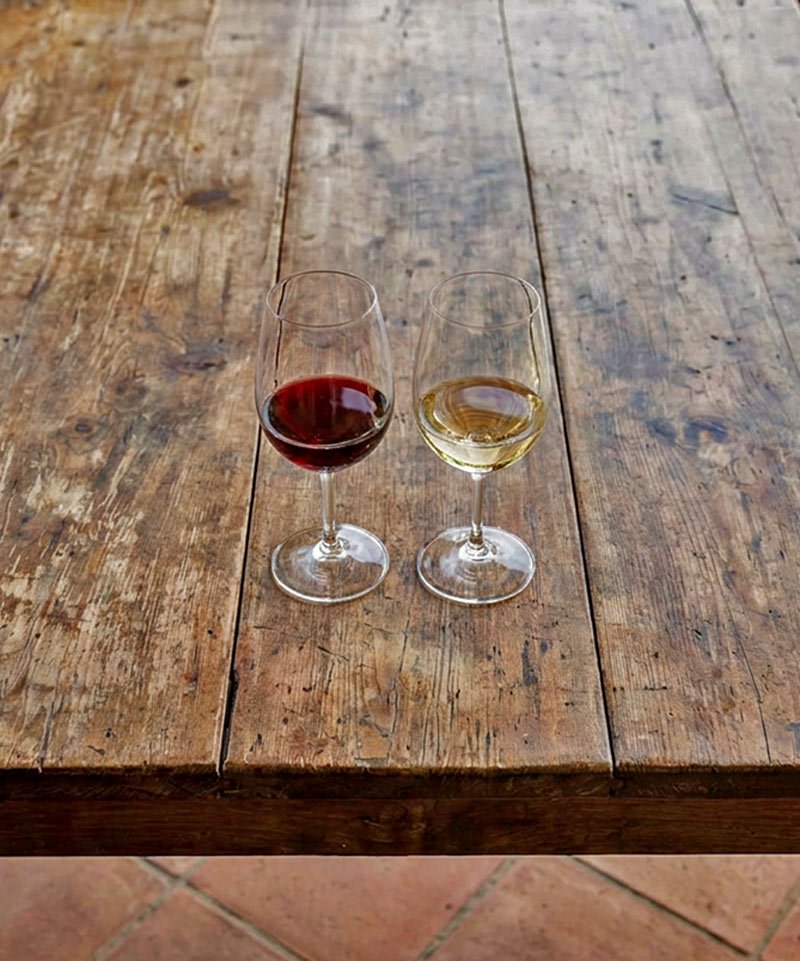
Marketing that Holds Up in the Tasting Room
A winery's marketing story should thrive in the real-life interactions with the actual wine, food and guest experience.
I bring together focused marketing and brand strategy with genuine wine fluency to help wineries build stories that are not only compelling online, but credible when someone walks through the door, tastes the wine and starts asking questions.
FAQs
What does a winery marketing consultant do differently than a general marketing agency?
1
A winery marketing consultant with genuine wine and culinary expertise can build positioning, content, and guest-experience strategy that holds up under scrutiny from knowledgeable customers — rather than applying generic consumer-brand marketing tactics to a category that requires real subject-matter fluency.
Why does wine and culinary expertise matter for marketing a winery?
2
Because wineries are selling authenticity and craft as much as product. A consultant without genuine knowledge of winemaking, tasting, and food pairing risks creating content and positioning that sounds right on the surface but doesn't hold together when a guest asks an informed question.
Does this consulting work extend beyond content and branding?
3
Yes. It extends to guest experience consulting — auditing whether a winery's on-site experience (menu sourcing, server training, event programming) actually matches the brand story being told in its marketing — since inconsistency between the two undermines both.
Is this service only specific to Niagara wineries?
4
No. While based in Oakville, Ontario near the Niagara wine region, and drawing on that regional perspective, the marketing strategy and brand consulting approach applies to wineries in any region.