
Guests Don't Remember Menus. They Remember Moments.
Stories Create More Memorable Guest Experiences for Wineries and Hospitality Brands
There’s a common assumption in hospitality that great food or wine is what creates memorable experiences.
It definitely helps, but after more than 30 years working in marketing, branding and customer experience (and many years immersed in the world of barbecue, food and wine), I’ve come to one conclusion: guests rarely remember menus, but they do remember moments.
Think back to the best meal you have ever had in your life. Chances are, you don’t remember every ingredient on the plate. But you probably remember where you were, who you were with, the atmosphere and maybe even some of the conversation.
The point to consider is that anticipation leading up to an event or a winery visit starts the process even before guests arrive.
When you up the ante with a server who shares a story, or a winemaker who explains a unique little tidbit about why a particular vintage is so special... you can almost see the magic beginning to unfold
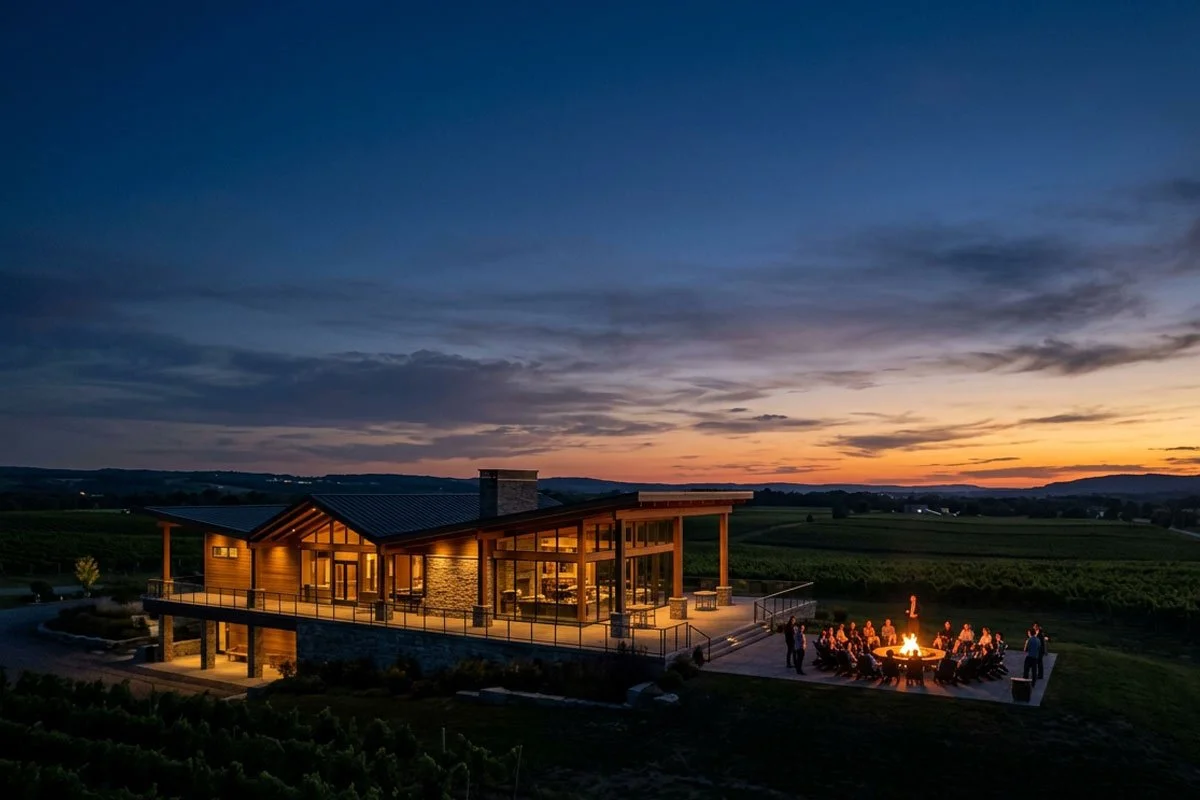
And on top of all that, if you stood around a fire while the wine was being served, the food and wine experience becomes part of a larger story, and not the story itself.
That is what people remember and that’s why a thoughtful and intentional strategy for an event is a must-have.
The Experience Begins Before The First Bite
There are a lot of wineries and hospitality businesses that focus almost exclusively on execution.
The wine flights, the menu, the service, the décor and so on. Of course those things matter a lot, but they’re also expected and table stakes. They’re not what differentiates a visit and they’re not what memories are made of.
What creates differentiation is everything surrounding the meal or tasting. It’s the curiosity, anticipation, discovery, conversation and participation.
Guests enjoy learning or experiencing something unexpected, especially when it’s special or a personal story that’s not online somewhere.
When they understand why a wine complements a particular flavour, or how a choice of wood subtly changes the aroma of food cooked over fire, they become participants rather than observers. They’ll remember little nuggets and probably repeat them at their own parties.— ideally serving a bottle of the wine they picked up because it became part of the story.
That simple shift changes the experience completely.
Stories Create Value
One of the most powerful tools available to any hospitality business costs almost nothing: The Story.
Storytelling is everything. People connect emotionally with stories because they create meaning and context.
A locally-sourced ingredient becomes more valuable when guests understand where it came from and why it’s important. A family recipe becomes memorable because it carries history. A wine tastes different when the guest understands the brand story: the vineyard, the vintage and the decisions behind making it.
Stories transform products into experiences. And experiences transform guests into customers and brand advocates.
Curiosity Creates Engagement
One lesson I’ve learned repeatedly throughout my marketing career is that people engage more deeply when they discover something for themselves. Hospitality should create opportunities that allow for that discovery — that a-ha moment.
When you invite questions, challenge assumptions, offer truly unique insights, guests can take those things home with them and share them with others.
That knowledge extends the experience long after the meal has ended and it will ensure your brand name is raised repeatedly in that positive glow and ambiance of the story.
Great Hospitality is About Memory
The businesses that people recommend most enthusiastically aren’t all Michelin starred, but chances are that they do create memorable moments. Moments become stories, stories become recommendations and recommendations become loyal guests.
This isn’t just good hospitality, it’s good marketing. Put another way, some of the best hospitality businesses are the ones that give people the best stories to tell afterwards.
See more post about hospitality marketing and brand strategy.
Mike Belobradic is a marketing strategist, writer and speaker who explores how strategy, storytelling and customer experience help organizations create memorable brands and guest experiences. His work draws on more than 30 years of leadership in marketing, digital strategy, hospitality and tourism.