
If a Guest Experience Isn’t Memorable, It's Forgettable
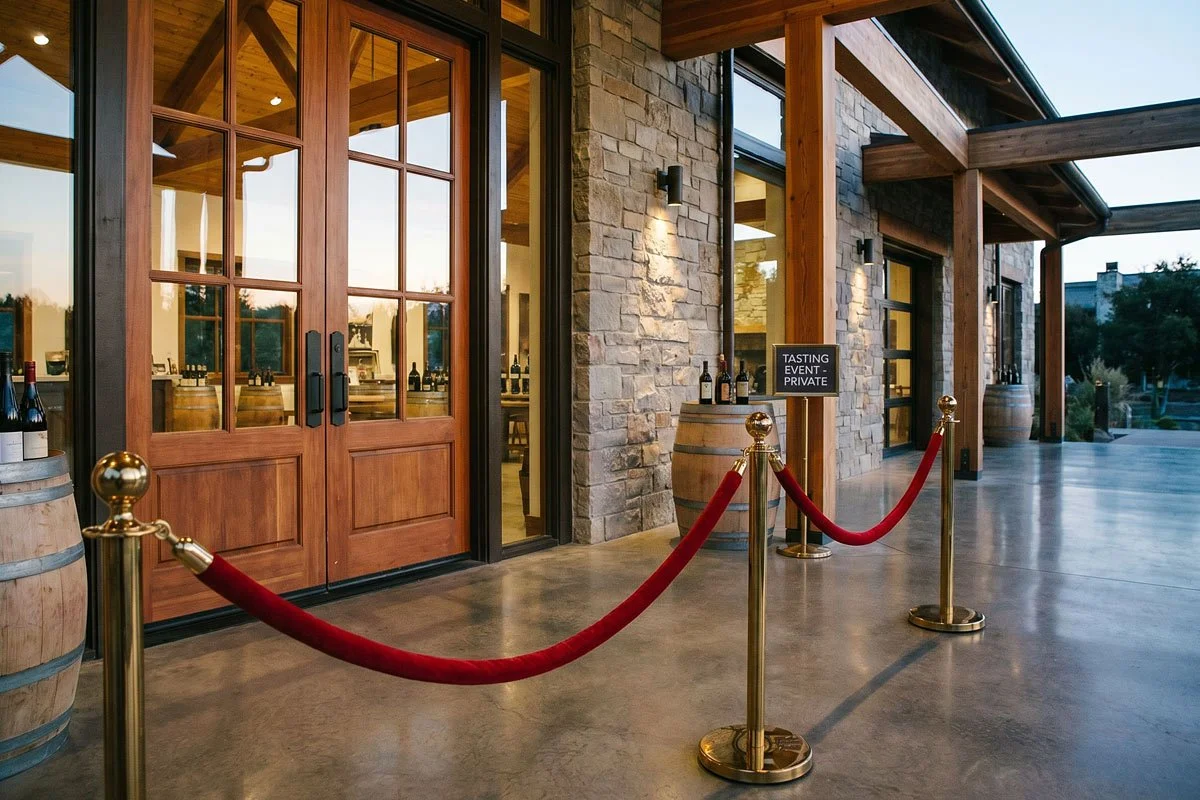
Why winery programming built around unforgettable moments outperforms programming built around a checklist
Here's a question worth asking: when you plan your next winery event, wine tasting, or guest experience, what are you actually designing for?
Wineries and tourism boards should design programming around one clear, memorable moment. Memorable moments — not flawless logistics — are what drive word of mouth, repeat visits, premium pricing, and shareable content. Smooth execution is table stakes; the memorable moment that your guests experience is the actual product.
When planning customer events (or even an everyday wine patio experience) it’s normal to try to account for things like efficiency, checking-off an item in your marketing calendar, or something similar. But if somewhere in there you don’t have a moment that someone will actually remember (and tell other people about), then it's worth asking what’s the point of this programming at all?
The Real Currency is Memory, Not Attendance
A winery can pour a treasured glass of wine or a tourism board can build a really great itinerary, but six weeks later, what are the odds that a guest can't tell you a single thing that made it different from anywhere else they went that year?
That's the trap of being "fine."
Fine is forgettable. Fine doesn't get talked about at dinner parties, doesn't show up in a wedding toast story, doesn't get typed into a friend's phone as "you HAVE to go here." Fine just happens, and then it's done.
Memorable moments are the actual product.
Everything else — the wine, the venue, the schedule, the staff — is infrastructure that services the moment. If you're not designing toward a moment deliberately, you're leaving the most valuable part of the experience to chance.
Why Moments are the Springboard for Everything Else
The following statement isn't just a nice sentiment for an office wall, it's the mechanism behind almost every metric that actually matters to a winery, event, or destination:
Word of mouth doesn't spread from good service — it spreads from specific stories.
Nobody ever says "you should go there, the staff was competent." They say "you should see when they walk you through the barrel room at sunset" or "wait until you hear what they do with the last pour." A memorable moment is inherently shareable in a way that purely smooth execution never is.
Repeat visits are driven by anticipation, not satisfaction.
Satisfied guests don't necessarily come back — they just don't complain. Guests come back (or recommend that others visit) because they're chasing a feeling they didn’t get somewhere else. That feeling has to be built into the design, not hoped for as a byproduct of a well-run event.
Premium pricing follows memory, not quality alone.
People will pay more for an experience they can't stop thinking about, over one that was only well-executed. The moment is what justifies the price tag long after the visit ends.
Reviews and social content are made in these moments, or they aren't made at all.
Not many people take pictures of the parking lot as a highlight. They photograph — and post, and tag, and remember — the unexpected, the differently beautiful, or the surprising thing that happened. If there's no such memorable moment built in, there's probably not much for them to capture and share (at least nothing truly unique).
Design for the moment — and the sharing and loyalty that follow. The pricing power, and the rest of the content will all follow naturally. If you design for smooth logistics alone, and you're hoping the memorable things will just show up on their own… Well, they probably won't.
What Designing for Moments Actually Looks Like
This isn't all about adding more spectacle or more stops on the tour. In fact, it can often be the opposite: fewer things, done with intention, built around a single moment that really resonates with your guests.
Pick the moment before you plan anything else. What's the one thing a guest will describe to someone else afterward? Design backward from that answer instead of hoping a moment will spontaneously emerge from a checklist of activities. Backwards engineering will work better once you put in the heavy lifting on your memorable moment.
Build in surprise, not just polish. Polish is important, but it’s not enough on its own. Make the most of your polished event with a moment that lingers, or even breaks a small expectation. It could be an unexpected pairing (with memorable meaning), a story nobody saw coming, or a view into something no one expected that was revealed at just the right time. Sometimes polish can make the perfect memorable moment feel delightfully unpolished. There’s an art behind creating this kind of experience. The more you do it, the better you’ll become at it.
Protect the moment from friction. The best-designed memorable moments in the world can fall flat if they’re preceded by a confusing check-in or followed by a rushed exit. The moments around the moment matter almost as much.
Make it specific to you. Generic "wow" moments get forgotten because they could have happened anywhere. The moments that stick are the ones that could only have happened at your winery, your event, your destination. This is where your brand strategy and unique value proposition play an important role.
Beware of Being Memorable for all the Wrong Reasons
One critical point to remember is that whatever you design, ensure that you can do it consistently, confidently and with repeatability.
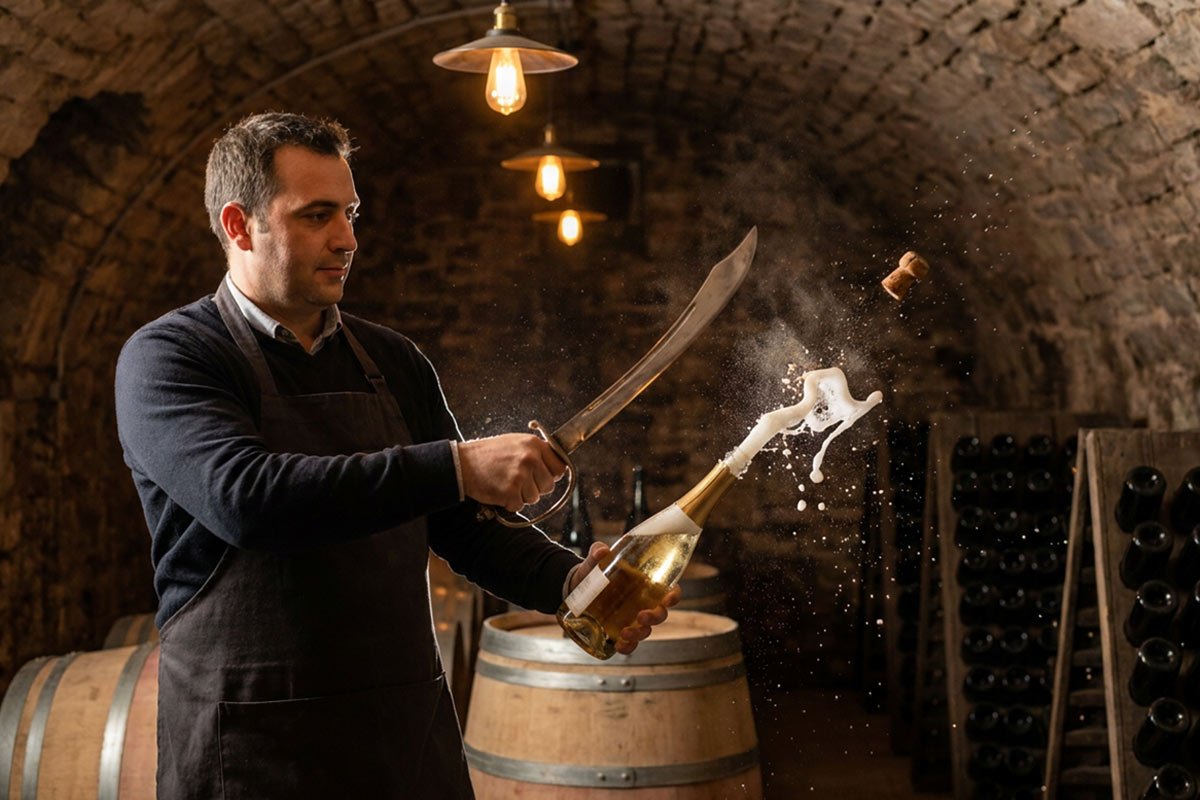
I remember one occasion in a winery cellar where a planned moment was to be the sabrage — releasing a sparkling wine cork with a small sword. It was the end of a group tour and the intent was a small spectacle and unexpected show that would end the tour. Needless to say, after several fumbling attempts by the winery employee, the moment did not come off as planned and the letdown was palpable. What could have been a memorable moment and nice finish to the tour became a talked about moment for all the wrong reasons.
To this day that is still the main memory of that winery fore me, because it was so awkward and uncomfortable for all. This is obviously not where you want to be with your moment.
If You’re Not Designing Your Programming for Memorable Moments, Then What Exactly are You Designing For?
Programming without any memorable moments isn't really programming — it's scheduling. And scheduling doesn't build a brand. It also doesn't build word of mouth, and doesn't build a following of the kind of guests who come back and brings three friends next time.
So the next time you're building an experience, ask the harder question up front: what's memorable here? If you can't answer that clearly, that's the design problem to solve before anything else gets finalized.
Because if it's not memorable, it's forgettable. And forgettable doesn't grow a business.
Read more posts about hospitality marketing.
Mike Belobradic is a marketing and brand strategist with 30 years of executive experience, formal culinary training, WSET wine credentials, and certification as a KCBS barbecue judge. He works with wineries, tourism boards, and hospitality brands on brand strategy, guest experience design, and Smoke Fire Grill & Wine sessions exploring the relationship between fire, smoke, and flavour.
Memorable Moments FAQ
Why should wineries, events, or tourism boards design for memorable moments instead of just smooth logistics? Smooth logistics prevent complaints, but they don't create word of mouth referrals, repeat visits, or justify premium pricing all on their own. Memorable moments do all of those things (and then some), and they're what guests actually talk about, return for, and pay more to experience again.
What counts as a "memorable moment" in event or hospitality programming? A memorable moment is usually a specific (sometimes even small), deliberately designed experience a guest can describe afterward — it’s not a long list of activities. It usually involves a mild surprise, a personal or sensory detail, an a-ha moment and something that couldn't have happened anywhere else. A memorable moment becomes imprinted in your guest’s mind, and it’s hard to beat how you made them feel by doing that.
How do you design an experience around a single moment instead of a full itinerary? Start by identifying the one moment you want guests to describe afterward before planning anything else. Build the rest of the itinerary to protect and lead into that moment, rather than filling time with unrelated activities that complete an agenda or stretch something into a pre-defined timeline.
Does designing for a memorable moment mean adding more to the experience? Not usually. It often means removing things and concentrating attention on fewer distractions, which allows for more intentional touchpoints and not packing in more topics or activities.