
Local SEO for Wineries: Winning the "Near Me" Search
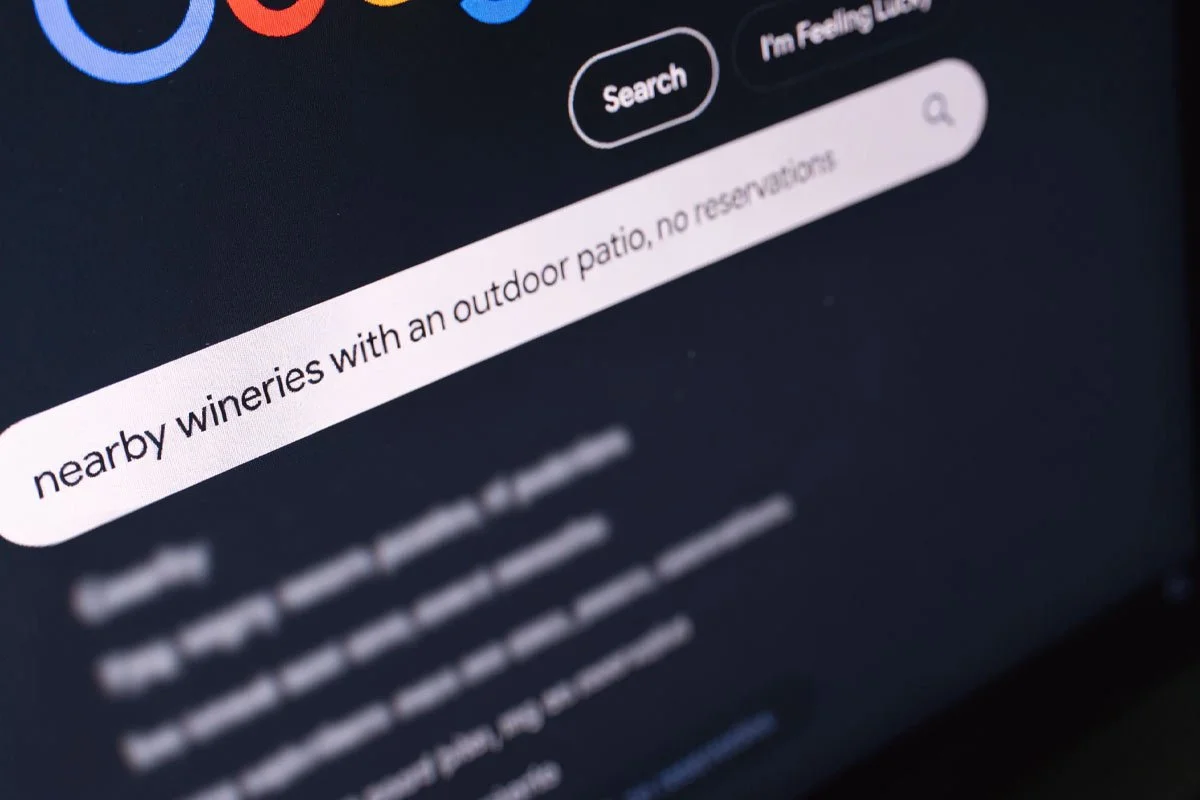
This is the single highest-intent search a winery can win
Did you ever consider that a significant amount of winery search traffic isn't people researching specific wine brands? It's people planning their day, or sitting in a car deciding where to go in the next two hours. "Wineries near me," "wine tasting in Niagara-on-the-Lake," "best patio for wine tasting nearby"… these are all discovery-and-directions searches, and they're about as close to a booking as search traffic gets.
Showing up as a top choice in those coveted searches isn't about having spectacular content, it's about getting really good at the unglamorous search fundamentals: your Google Business Profile, your reviews, your location pages and so on, and doing it all very genuinely and consistently.
I've spent 30 years in marketing, with deep experience in helping businesses get found by the right person at the exact right moment. In financial services, trust and timing can decide everything. Local search for a winery runs on the same logic: be accurate, be current, be specific, and be the easiest answer to find.
Is your winery’s online presence optimized for this kind of search?
Start with Your Google Business Profile
Treat your Google Business Profile as a living asset, not a form you filled out once
Your Google Business Profile is very often the first (and possibly only) thing a potential visitor sees before deciding whether to come. It can show up in search before your website, sometimes without the user clicking to your website at all. If your Google Business Profile is outdated, thin, or inconsistent, you've lost that visit before your actual site ever gets a chance to show its stuff.
Here’s what separates a Google Business Profile that converts from one that doesn't:
Complete, accurate hours — including seasonal changes, holiday hours, and last-tasting times. Nothing kills trust faster than arriving at a winery only to find a profile info was wrong.
Category and attribute accuracy — make sure you're tagged correctly (winery, tasting room, event venue if applicable) and that attributes like outdoor seating, dog-friendly, or reservations-required are filled in and accurate (remember to change your profile info for seasonal updates).
Fresh photos — recent, real photos of the actual tasting room, patio, and view are all important. Stock-feeling photography comes across as inauthentic and hurts conversion, even if it doesn't hurt your search ranking.
Regular posts and updates — new wine releases, seasonal hours, special events... An active profile signals to Google (and to visitors) that you're an active vibrant destination, not a listing that someone did awhile ago and forgot about.
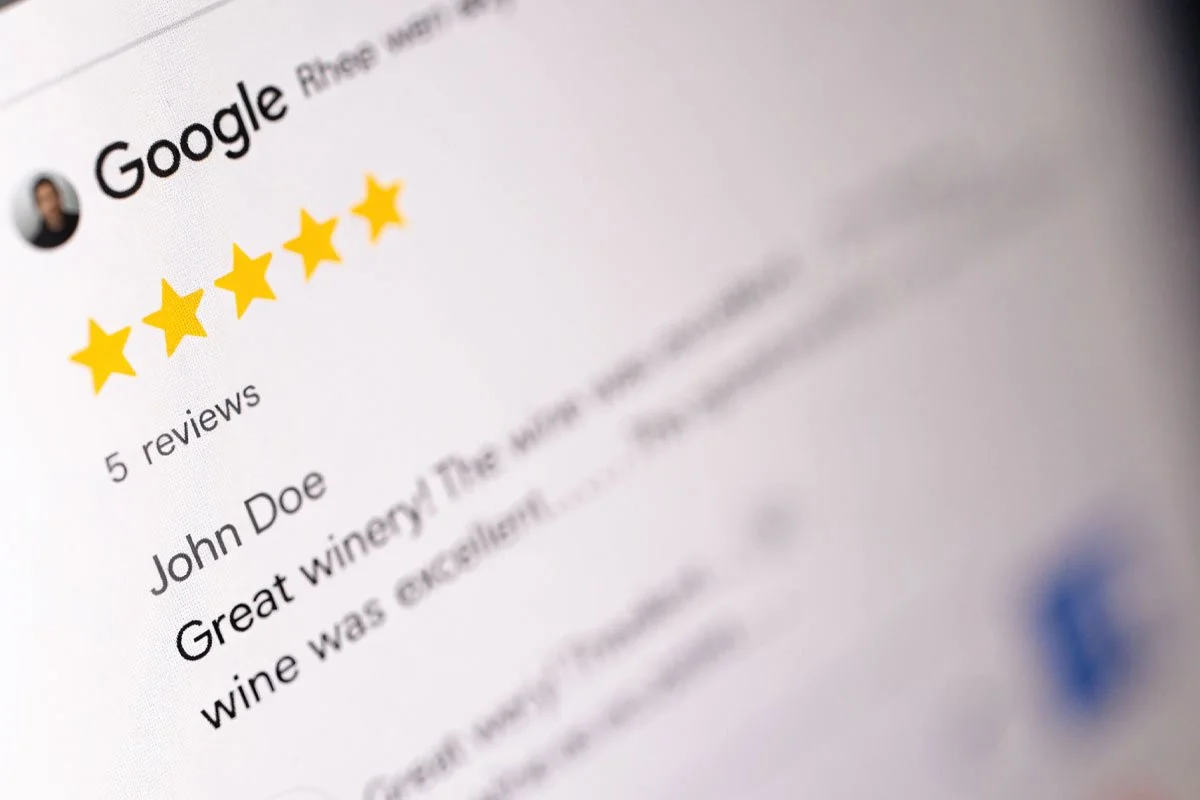
Reviews are an Important Metric
They're both a ranking input and a buyer conversion input at the same time
Google review volume, recency of the reviews, and the content within them all factor into your local ranking. But reviews do double duty: they also directly shape whether someone who finds you decides to actually come to your winery.
A few things worth doing deliberately (not always relying on organic reviews):
Ask, consistently. A simple ask at the end of a great visit (it can be in person, on a receipt, in a follow-up email) outperforms simply hoping that people will care enough or even remember to review you days later. A lot of businesses with provide a QR code right at the table to help boost reviews.
Respond to every review, especially the critical ones. A thoughtful, non-defensive response to a negative review often does more for building trust with readers than another five-star review ever would. People will actually search for the one and two-star reviews to get the “real” story. How you respond to those reviews can be a game changer.
Look for specificity in the reviews you're getting. Reviews that mention the patio, a particular wine, or a specific staff member by name are more useful to future visitors (and to AI search and traditional search engines) compared to generic praise (which can raise doubts about whether the review is real — even if it is genuine). You can't force someone to get specfic, of course, but you can prompt for it. For example, you could try to ask visitors what stood out, rather than just asking them to leave a review.
Build Location and Experience Pages that are Actually Specific
This is where many winery websites fall behind. The web copy reads like it could describe any winery within a hundred kilometres: "nestled in the heart of wine country," "an unforgettable tasting experience." None of that type of text helps a search engine or AI understand what makes you the right answer for a specific search, and none of it helps a visitor decide anything.
Specific, local-SEO-friendly page content looks more like:
Naming the actual region, sub-region, or appellation, and what's distinct about growing conditions there
Naming actual varietals, the specific food pairings, the actual price points etc.
Describing the physical experience at the winery: the view, the seating, whether it's indoor or outdoor, how long a typical visit runs
Including practical logistics: parking, accessibility, whether children or pets are welcome, distance from nearby towns or attractions
If you offer more than one distinct experience (a casual patio tasting, plus a private reserve tasting, for instance) give each one its own page instead of combining everything in a single generic "visit us" page. Distinct pages let you rank for distinct searches. A lot of wineries put it all on one page and lose that benefit, you can be different.

Don't Ignore Citations and Third-Party Listings
Google cross-references how consistently your winery name, address, and hours appear across the web. The information about your winery on tourism board listings, regional wine association directories, TripAdvisor, and local press all feed into this. Inconsistent hours or addresses across these sources actively undermines your ranking, not just your credibility.
It's worth a periodic audit (once or twice a year is usually enough) to make sure that your listing on your regional tourism board's site, any wine trail directory you belong to, and major review platforms all match what's on your Google Business Profile and your own website. Consistency matters.
The Compounding Effect
None of what I have covered here should be viewed as a one-time project.
Local SEO rewards consistency and accuracy over time. That includes a Google Business Profile that's updated regularly, reviews that keep accumulating, and pages that stay accurate as your offering evolves. The wineries that win that "near me" search moment are the ones treating their local search presence as an ongoing part of the business.
See more posts about winery digital marketing.
Mike Belobradic is a winery and tourism marketing consultant with 30 years of executive marketing and brand leadership experience, including senior roles in high-net-worth wealth management and luxury travel. He holds WSET wine and spirits credentials, has formal culinary training, and is a KCBS-certified barbecue judge.
FAQ
How often should I update my Google Business Profile?
At a minimum, whenever hours or offerings change. Plus, get into the habit of a light posting cadence — new releases, seasonal notes, upcoming events — every few weeks to keep the profile signaling activity.
Do negative reviews hurt my local ranking?
Not as much as an unanswered negative review does. A thoughtful response often matters more to both ranking and visitor trust than the review itself.
Should every winery experience have its own page, or is one "visit us" page enough?
If you offer genuinely distinct experiences (casual tastings and private reserve sessions, for example) separate pages let you rank for the specific searches tied to each one, rather than competing with yourself on a single generic page.
Does having a listing on a tourism board's site actually help my own SEO?
Yes. Consistent, accurate third-party listings function as trust signals and citations, both of which support your own site's local search performance.