
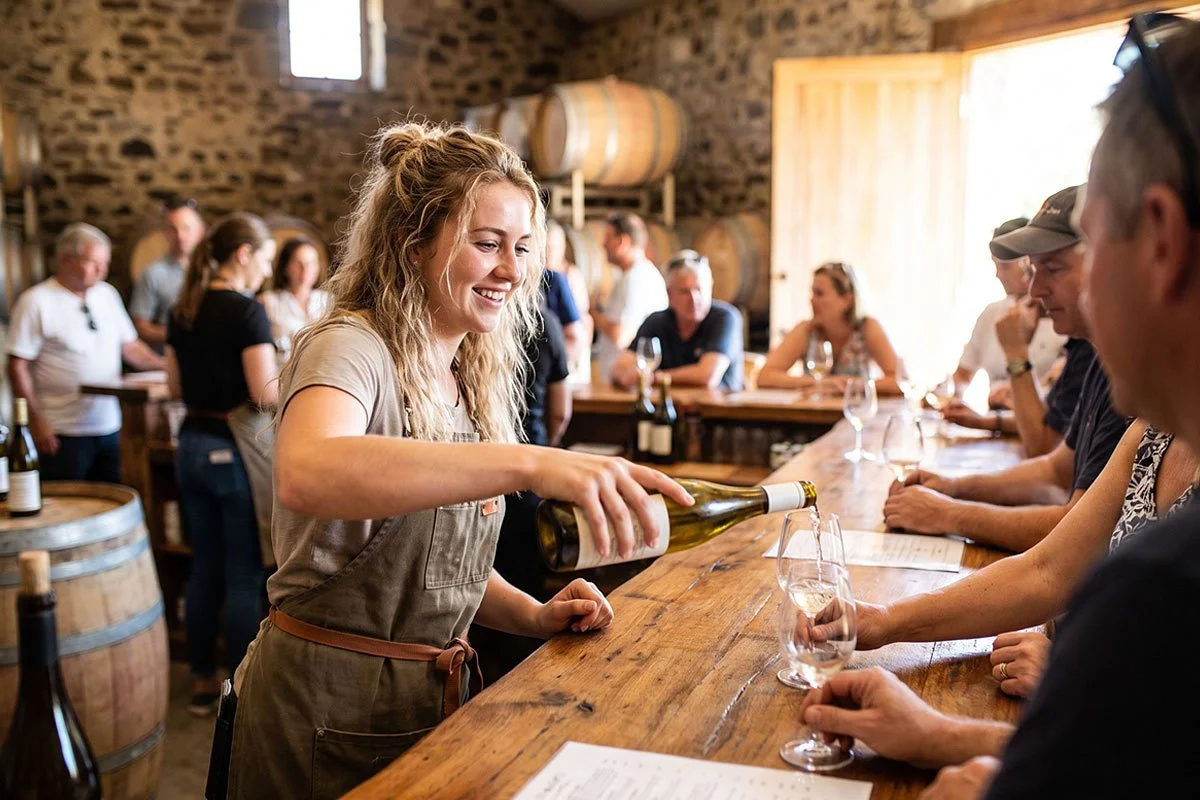
The best winery photos are the ones that truly reflect your sense of place
Winery photography is one of the most important assets you can have on your website and social media. From hero shots, to blog posts to social posts, well-composed photos of your winery and vineyards are a powerful part of any winery’s content marketing strategy.
The challenge with winery photography is trying to avoid too much content that looks generic, or that could belong to almost any winery. These types of images aren’t likely helping to persuade anyone that your place is worth visiting.
As a former photographer, visual strategy is baked into my marketing DNA. I am always thinking about what separates a winery photo that actually works from one that just looks nice. At the highest level, it usually comes down to the same principles running through everything else I discuss in my posts about marketing: specifics and authenticity beat polish and atmosphere.
Why Generic, Stock-like Photography Won’t Cut it
Taking inspiration from the very best in travel and tourism photography, we can sum it up by saying that a photo's job is to make someone believe they'd want to be there. Generic, overly staged, or heavily filtered images tend to undercut that belief and they can even do damage to your brand. That’s because pictures like that immediately scream “marketing” instead of presenting your winery as a real place. Visitors have become genuinely good at recognizing stock-feeling content (and that includes most AI content). Any gap between polished marketing photography and the real, lived-in experience of a visit tends to create disappointment when someone actually arrives on site.
Like all high-performing marketing endeavours, great photography starts with considering the intent behind the shot before you take the photo. A photo that shows the actual texture of a real visit, even with some imperfections, tends to build more trust and more desire to visit than a technically flawless or generic image.
What Makes Winery and Tourism Photography Actually Work
There are few things to keep in mind when you’re considering your content strategy that involves photography.
Real moments over staged ones, wherever possible.
A candid shot of a genuine pour, a real conversation on the patio, or a guest actually enjoying the view tends to outperform a posed, empty version of the same scene. People respond to seeing other people genuinely enjoying themselves (and they can sniff out AI versions of these things as well).
Just remember that if you want to use a photo of real people (guests) on your property, it’s best to get consent from anyone recognizable (through a model release) before you use that photo for commercial purposes. Otherwise, stick with shots that feature models, employees or where the visitors are distant, blurred or generally non-recognizable.
Specifics over generic beauty shots.
A shot of your actual view, your actual architecture, your actual bottling (the things that are unique to your winery) does more work than a beautiful — but generic — scenic image that could have been taken almost anywhere.
Honest representation of the space.
If your tasting room is cozy and intimate, photograph it that way. Photography that oversells the physical space creates a mismatch the moment someone arrives. That kind of thing undermines trust in everything else you've told them, because it’s not authentic.
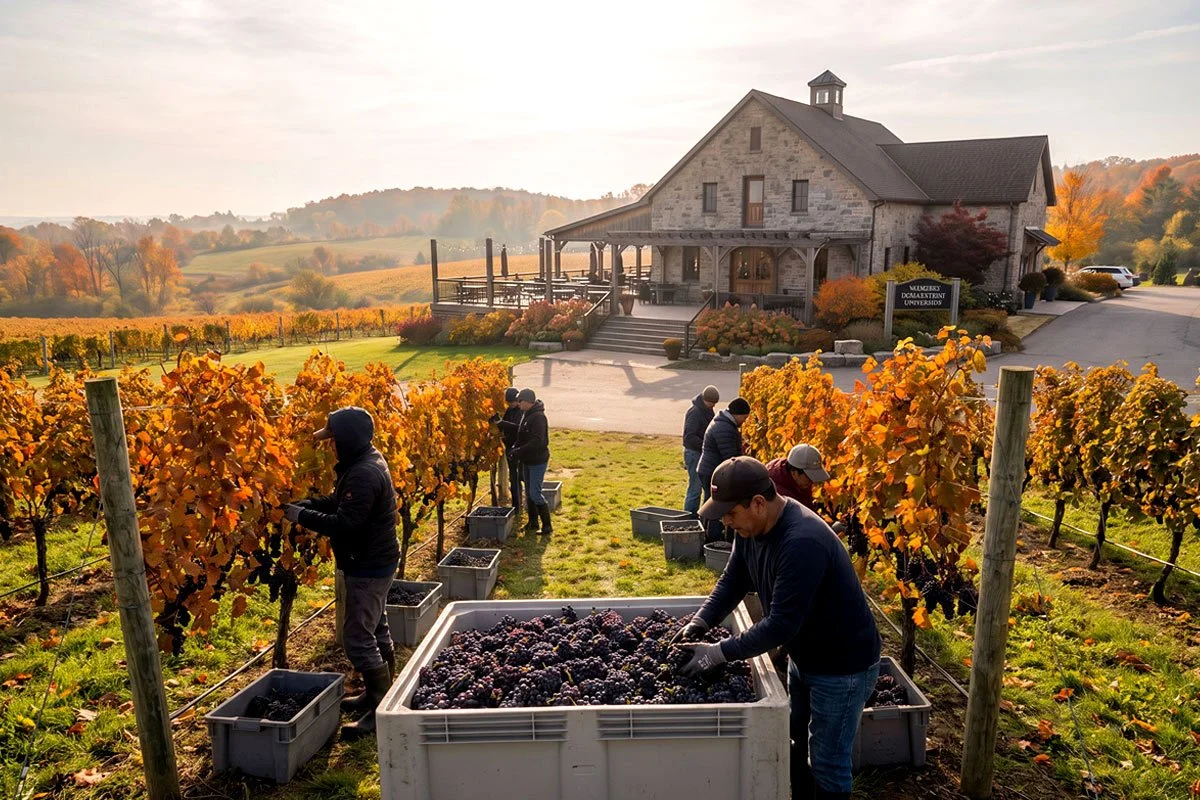
Light and season done well.
Golden hour is popular for a reason, but a well-shot overcast afternoon or a genuinely appealing winter scene by a fireplace can communicate more range and authenticity than photo stream that’s full of identical sunset shots. Be sure to offer a mix of visuals and not just the same things over and over.
Consistency with your brand voice.
Just as with writing, photography should reflect the same tone as the rest of your brand — playful and casual, refined and quiet, rustic and unpretentious, or whatever you have defined for your winery brand. Your photos shouldn’t be a dramatic departure that suddenly defaults to a generic "beautiful winery" aesthetic, regardless of what your actual brand voice is.
A Practical Approach to Building a Photo Library
One of the first things I recommend is to treat photography as an ongoing part of your winery marketing plan. Sometimes I see it viewed as a single big event — one expensive shoot meant to last for years. This isn’t a wedding, it’s a business that’s open to the world almost every day. I would encourage thinking of it as an ongoing, lighter-touch practice: capturing real moments across seasons, events, and everyday operations. Phoness can take impressive photos, so use them in between more formal or planned shoots.
Get your employees active and involved. You probably have one or two who have a real knack for capturing stellar shots with their phones. Of course, you want them to be doing their jobs first and foremost, but when a magical photo-worthy moments pops up, empower them to capture it for later consideration.
Another thing to keep in mind is that a static set of images can start to feel dated much more quickly than candid scenic or winery lifestyle images. This also tends to produce more usable and varied content for the range of places photos actually get used (your website, social media, blog posts, printed materials) than a single formal photo shoot can provide on its own.
If You Need Help with Your Photo Strategy
Photography is a genuine strength of mine, and I can assist with your compositions for visual content. I am guided by the same brand voice and UVP work that shapes everything else I do.
For projects that call for more specialized production — large-scale campaign photography, drone work, or similarly technical needs — I can help to bring in or recommend the right specialist and coordinate the shoot around the same strategic brief, so the results stay consistent with your brand and don’t become a one-off exception. But, as noted earlier, I also find that many businesses actually have competent photographers among their staff capable of doing an excellent job for most of the candid style of onsite images.
Read more posts about content marketing for wineries.
Mike Belobradic is a winery and tourism marketing consultant with 30 years of executive marketing and brand leadership experience in HNW wealth management and luxury travel. He holds WSET wine and spirits credentials, has formal culinary training, and is a KCBS-certified barbecue judge.
FAQ
Do I need professional photography, or can staff-taken photos work?
Thoughtfully composed staff or phone photography can genuinely work well, especially for social content, as long as it's honest and specific rather than staged or generic. Good composition and thoughtful intent often matters more than the equipment used. Don’t forget about getting consent from any guest who may be recognizable in an image you would like to use.
How often should winery photography be refreshed?
An ongoing, seasonal approach tends to work better than a single large shoot every few years. Refreshing images periodically keeps the content current and provides more variety across the different places photos get used, especially if you are active on social media.
Should winery photos always feature blue skies and sunny days?
No. Variety across seasons and lighting, shot honestly, tends to build more trust and interest than an endless stream of identical golden-hour images. It more accurately represents what a visit might actually look like depending on when someone comes.
Can you handle a full photography package for my winery?
Yes, for most engagements — I shoot directly for a wide range of winery and tourism content needs. For highly specialized production work, I'll coordinate with or bring in the right additional expertise while continuing to direct the overall strategy and brand consistency.