
Wine's Problem isn't Whether People Like it: It's Whether they Choose to Reach for it.
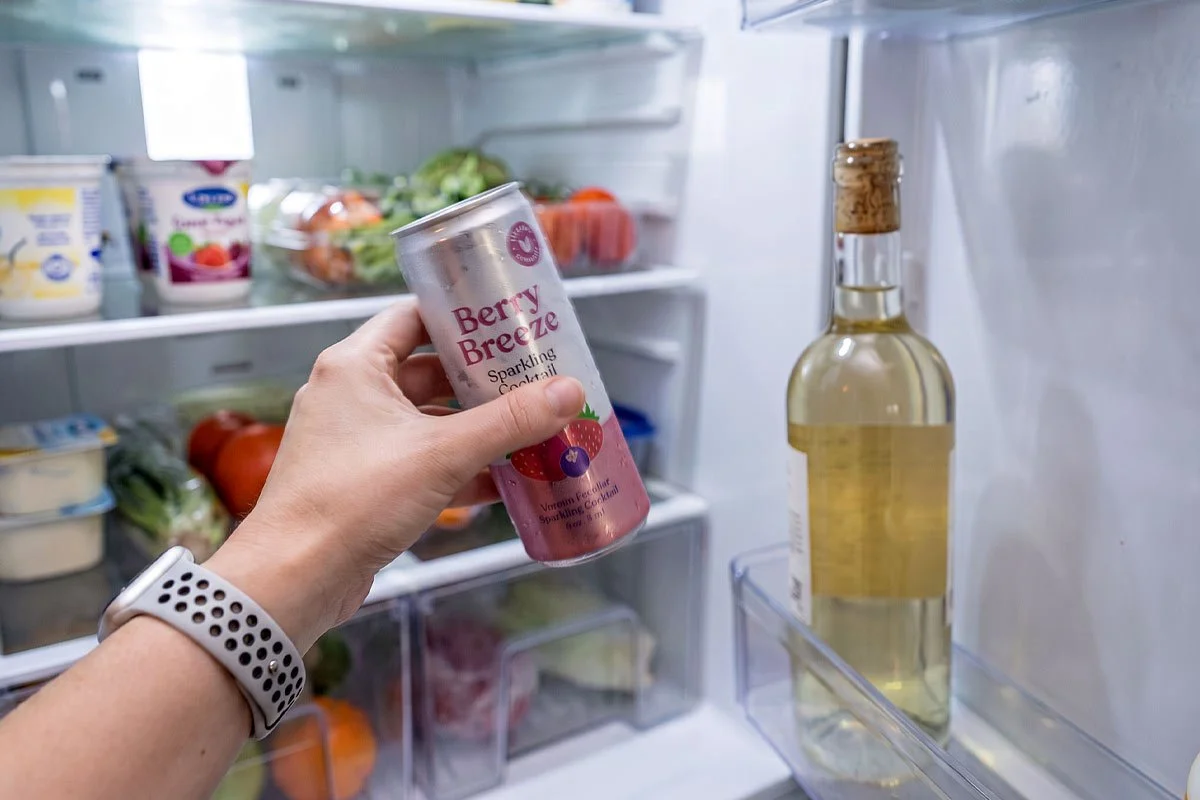
What new consumer research means for wineries trying to reach younger buyers
Recent research presented at a recent Wine Market Council webinar puts a name to something that wineries have probably felt, but struggled to diagnose: wine isn’t losing younger drinkers because they don’t like wine, wine is losing them because they don't know where it fits in their lives.
A lot of the outputs mentioned in the study are things I have posted about in the past, from a marketing perspective (and they still hold true today), but the study was intriguing and I dug a little deeper into it for some points to consider.
What the Research Found
The research, conducted by consumer insights firm Material and presented by strategists Machias Turner and Caroline Hisey, surveyed hundreds of U.S. alcohol consumers and segmented them by generation and drinking frequency.
The topline finding is straightforward: consumers across generations still describe wine as welcoming and enjoyable, but they don't reach for it casually.
Wine is getting positioned as a beverage for tradition, a celebration, or a special occasion. Those are instances people only have a few times a year. It’s like having a seasonal business, not an everyday product. Obviously, that’s not great for wineries. As Wine Market Council president Michelle Egan noted during the webinar, the category's challenge may have less to do with how wine is perceived and more to do with how infrequently people think about reaching for it.
There’s a very important nuance to that concept for marketers.
This finding follows a broader shift that the Wine Market Council has documented in its ongoing benchmark surveys. But for the first time in nearly three decades of tracking, the top reason people say they choose wine has changed: it's no longer about relaxing at home, it's about making a moment feel special. That's a flattering position for wine to hold, but it’s also a dangerous one for wineries whose revenue depends on regular purchase frequency, not just gift-giving and anniversaries or holidays.
Why this Matters More for Younger Buyers
Over time, every generation reaches for wine less often than the one before it. But younger drinkers aren't only drinking less, they're choosing something else instead of wine in the moments where wine used to have an automatic seat at the table. Previous staples like a weeknight dinner, a backyard get together, or just unwinding at home after work have more and more been claimed by canned cocktails, craft beer, and non-alcoholic options. All of those items have done a much better job than wine at showing up where they're needed.
That's the real threat that I see buried in this research. It's not that younger consumers are anti-wine: it's that other categories have made themselves easier to adapt for those common situations, and wine hasn't kept pace.
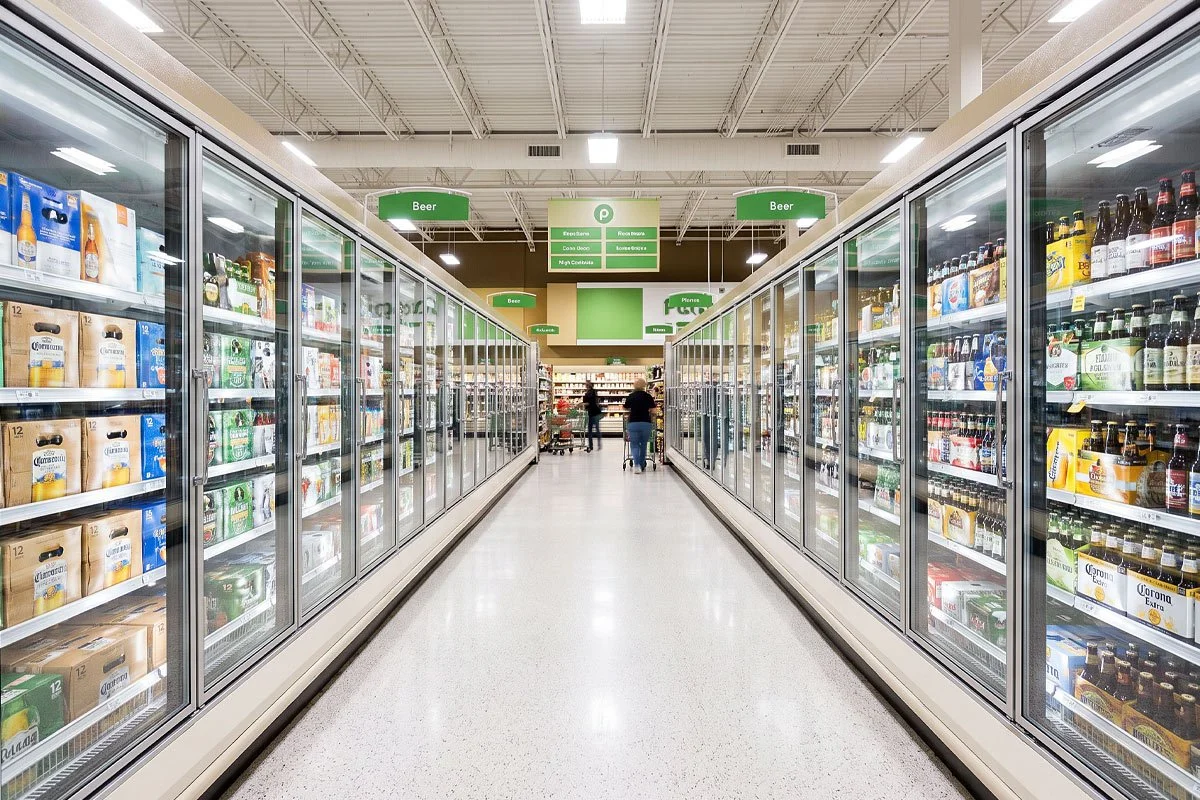
The Beer Model: Casual Without Being a Commodity
Beer solved the reach-for-it problem a long time ago. Beer is the default go-to for backyard gatherings, after work relaxing, and the must-have beverage during a game.
But not all beer is on the same level.
Craft beer proved something that’s worth considering: a category can be reached-for constantly, and still command real respect. A mainstream lager and a small-batch IPA can both get pulled from the fridge on a random Tuesday, it’s just that one of them happens to carry artisan credibility and a premium price tag.
Wine hasn’t managed to navigate that same split.
The casual end of the wine spectrum tends to be filled by lower-priced, lower-attention bottles (or boxes even) with no artisan cachet attached. Anything positioned as quality wine or an artisan vintage gets pushed almost entirely toward the special-occasion side of things. There's no wine equivalent of "the craft beer you reach for on a random weeknight and still feel good about." That middle lane for wine — reached for often, respected as a craft product — hasn’t gained any real traction at scale.
Packaging Makes a Difference
Some of this is a packaging problem as much as a positioning one.
Beer's single-serve format matches how it's actually consumed: a can or bottle sized for one, and sold in a set that leads to casual, repeat, no-commitment drinking.
Wine's default format doesn't do that. A 750ml bottle assumes a shared occasion and a decision to finish something once it's opened, which is exactly the kind of commitment a weeknight solo drinker is trying to avoid. When you have an entire industry built around how to cap or cork an opened bottle of wine to make it last (gadgets and gizmos galore), you’re focusing on putting a band-aid on the “problem” and not working to address the true challenge.
Single-serve wine formats already exist for some major wine brands (cans, half-bottles, even six-pack-style multipacks), but they’re still a niche curiosity and haven’t yet established any kind of category traction at the kind of scale that’s really needed. Whether that stays a curiosity or becomes wine's version of the craft beer six-pack likely comes down to who does it and how good they do it.
The other challengs is that at a time when some consumers are looking for lower alcohol options, even a canned or bottled single-serve wine is still likely to be higher alcohol than both beer and an RTD cocktail. So there may be more work to do than just the packaging.
On top of all that, if the approach appears to be done cheaply, it definitely risks reinforcing the "wine as commodity" challenge that the wine category is already fighting (anything packaged that way must be bad or cheap wine). If it’s done by a producer whose reputation already signals quality, it could be exactly the format that lets a wine get reached for like a beer, while still being regarded as good wine. That’s easier said than done, but if we’re reading the Magic 8-Ball here, now’s the time.
Where the Relevance Gap Actually Shows Up
For any given winery, "relevance" sounds abstract – until you break it into the specific moments where a brand either shows up or doesn't:
The random Tuesday night dinner, not just the special anniversary dinner.
The "what do I bring" moment before a casual get-together, not just a formal dinner party.
The solo pour after a long day, a category currently owned by beer and RTDs.
The gift that isn't for a milestone, the “just because” meet-up, not just for a birthday.
A lot of winery marketing that I see, understandably, leans hard into the occasions where wine already wins: celebrations, romance, hospitality moments at the tasting room and so on. Those are all good things, but it means the everyday occasions are being left uncontested. And an uncontested category like that gets won by whoever shows up first with the least friction.
The Marketing Implication for Wineries
This is where the seven-question unique value proposition (UVP) framework earns its keep. "What do we do" and "who have we done it for" can't only be answered in the language of special occasions if a winery wants to close this gap. The brands that will win the next decade of younger wine drinkers are the ones that can thoughtfully answer: what does this wine do for a Tuesday?
That doesn't mean abandoning the romance of wine. From a marketing and brand strategy perspective, it means adding a second level to the brand voice: one that’s built around ease, routine, and low-stakes enjoyment that sits alongside the occasion-based messaging that already works.
It's a marketing shift that has to be planned deliberately. It also means building a marketing calendar around the moments that actually earn a younger customer's attention, not just the ones on the traditional wine calendar. I have more on that approach other posts. It also connects directly to the argument in Can a Wine Region Become a Vibe? The Aspirational Lifestyle Play for Younger Wine Tourists — for many younger buyers, wine is already competing for a place in an everyday-adjacent identity, not just a special-occasion one. Closing the relevance gap and selling the lifestyle are effectively the same job, they’re just approached from two directions.
In this follow-up post I look at a few other brand categories that have overcome similar challenges to the wine relevance problem.
Read more about winery marketing.
Mike Belobradic is a winery and tourism marketing consultant with 30 years of executive marketing and brand leadership experience in HNW wealth management and luxury travel. He holds WSET wine and spirits credentials, has formal culinary training, and is a KCBS-certified barbecue judge.
Frequently Asked Questions
Is wine losing popularity with younger consumers?
Not exactly. Research indicates younger consumers generally view wine positively. The challenge is that they don't associate it with everyday, casual occasions the way they do with special or celebratory ones.
What is the difference between an "image problem" and a "relevance problem" for wine?
An image problem means consumers view a product negatively. A relevance problem means consumers view it positively, but don't see a natural, frequent place for it in their lives. Current research points to the latter as wine's bigger challenge.
What occasions is wine losing ground to other beverages?
Casual, low-stakes moments, such as a weeknight dinner, a solo evening at home, or an informal get-together. These are increasingly won by canned cocktails, craft beer, and non-alcoholic alternatives.
Can wine learn anything from how craft beer is positioned?
Craft beer shows that a product can be reached for constantly and still be seen as a premium, artisan product. That middle lane wine is a big gap for wine. Most wine positioned as high-quality currently lives on the special-occasion side, while the casual, everyday side skews toward lower-priced, lower-attention bottles. That needs to change.
Could single-serve wine formats help close the relevance gap?
Possibly. Beer's format matches how it's consumed (sized for one, sold in casual multipacks), while wine's standard 750ml bottle assumes a shared occasion. Single-serve formats already exist in the market but they’re still mostly niche and not uniform across brands. Whether they become a genuine category likely depends on execution and who produces them (and whether the industry can come together to help itself).
What can wineries do about a relevance gap?
Wineries can expand their messaging beyond celebration and tradition to include everyday occasions, easing the perceived formality and effort associated with choosing and enjoying wine on a regular night.