
Can a Wine Region Become a Vibe? The Aspirational Lifestyle Play for Younger Wine Tourists
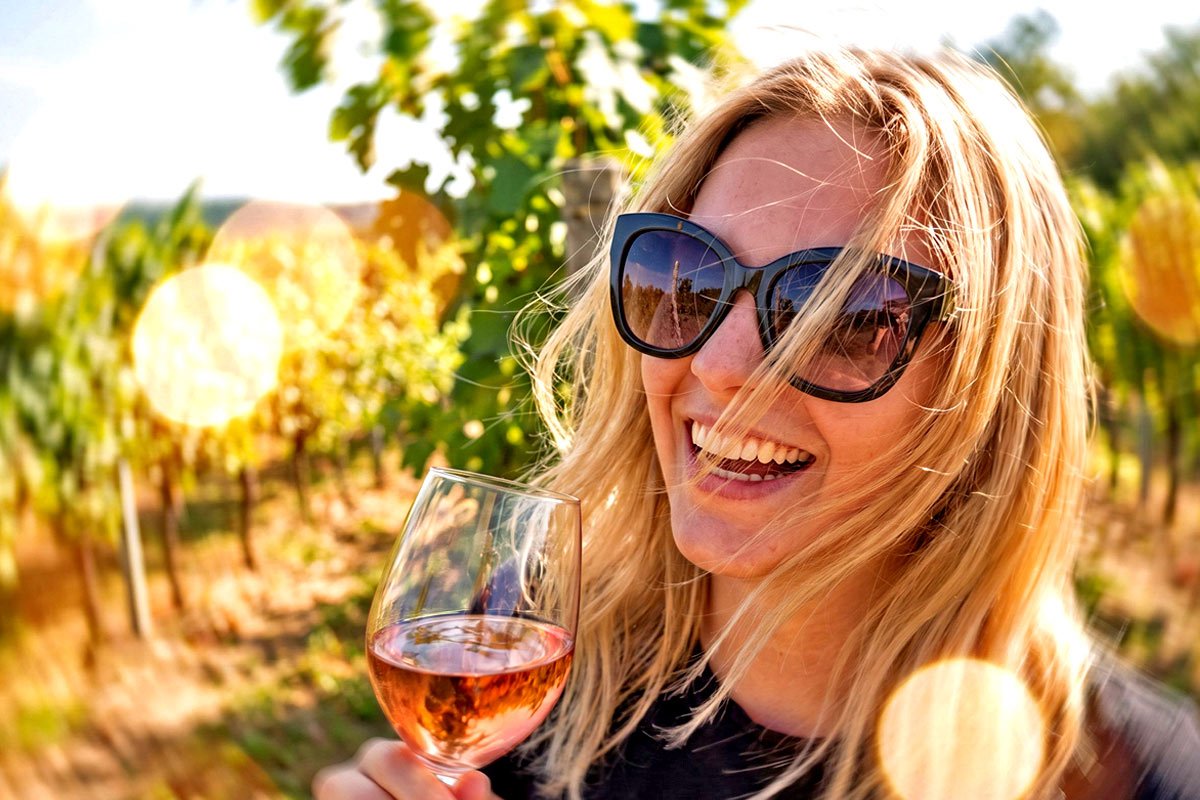
The wine still has to be good, but increasingly it's the lesser part of the sale
There's a specific younger buyer that traditional winery marketing isn't built for: the 20-something who travels for the photo, not just the destination. This is the visitor who wants to be seen on a yacht, at a luxe hillside table, in a setting that signals a life worth living, with a beautiful glass of something in hand.
The product still has to deliver, of course, but for this buyer, the wine is only one part of a much bigger purchase. This guest values the ambiance, the setting, and the story they get to tell about it afterwards much more than other guest segments. The winery (or the region) that really understands this knows that it isn't selling just wine anymore: it's selling access to a lifestyle, with wine as the entry ticket.
The Proof of Concept Already Exists: Provence
This approach to marketing isn't hypothetical. In fact, an entire wine region already took this appraoch and it has paid off.
Provence rosé built its modern global identity almost entirely around aspiration and lifestyle, and not fully on wine or winemaking credentials. It focused on sun, coastline, yachts, and a sense of effortless luxury. This is a sharp contrast to a lot of regions that market by leaning on winemaker interviews and technical acclaim.
Wine industry observers have paid attention to the fact that rosé's marketing leans into images of a beach, a pool, or a yacht as a lifestyle, which is in contrast to the winemaking-and-technique focus of other wine regions. The region put a marketing plan in place that leaned into that identity, and the results speak for themselves. Celebrity-owned estates (Brad Pitt and Angelina Jolie's Château Miraval among them), alongside high-profile names in music and entertainment turned Provence rosé into its own aspirational category.
More proof of concept is the fact that the region's flagship brand, Whispering Angel, is now distributed in more than 100 countries and closely associated with destinations like Saint-Tropez, the Hamptons, and London. These are places where the wine — and the leisure lifestyle around it — a have become inseparable in the buyer's mind.
It’s important to note that none of this was meant as a substitute for wine quality. Instead, it was a deliberate, region-wide brand strategy built on top of the wine. Producers still invested heavily in winemaking and sustainability, but they chose not to have that as their only marketing brand story.
What "Becoming a Vibe" Actually Requires
A vibe/ambiance/brand voice isn't just prettier photography. A region or winery making this shift seriously needs to rebuild several layers at once:
Physical ambiance. Provence's shift included estates building restaurants, boutique hotels, and open-air venues on-site, so the wine became one part of a much larger designed experience, not a separate transaction.
Association with aspirational destinations and moments. The wine has to show up in the settings this buyer already covets — coastal, elevated, social — not just in a tasting room binder or wine card.
A small set of instantly recognizable, highly photographable flagship bottlings. A region doesn't need every producer to do this, but it does need a handful of visible, well-branded flagship wineries to carry the whole region's new identity, the way Whispering Angel carried Provence's.
Willingness to let this be the loud, visible layer — with technical credibility still intact underneath it. Provence didn't stop being a serious wine region — far from it. It just stopped leading with that story.
Could Another Region Do This?
Almost any wine region could take steps along these lines, but it would have to be done in a way that fits the region (not a copy/paste of Provence).
Doing something like this properly and thoughtfully is a major rebrand and marketing shift, and it requires real coordination and a genuine physical setting to sell.
This isn't a strategy that works without a location capable of delivering the lifestyle it's promising — water, scenery, or some other aspirational backdrop the audience already wants to be photographed in. A region with the right physical assets and enough producers willing to invest together in a shared, aspirational identity has a real opportunity here. A region without that coordination, or without a setting that can plausibly deliver the fantasy, risks looking like it's copying a look that it can't back up.
If nothing else, the Provence experience is something worth studying for any winery or wine region that’s looking to reposition itself in the face of changing market conditions.
To say that the wine industry is dying is shortsighted. A more accurate assessment would be that the industry is slowing for those wineries and wine regions that refuse to adapt to the changing wine consumer demographic. If you take the time to assess the target market and what motivates them to visit and enjoy your brand, you can work to create a refreshed marketing and brand strategy that will engage with your audience (whoever that may be). The core product still has to be good and quality will always matter. But knowing your target market and what they respond to (and value) matters just as much.
Read more posts about destination marketing.
By Mike Belobradic — Winery, tourism, and hospitality marketing consultant with 30 years of executive brand and marketing leadership across major Canadian financial institutions, now focused on wineries, regional tourism boards, and hospitality brands. WSET-credentialed, culinary-trained, and a KCBS-certified barbecue judge, Mike is the founder of Smoke Fire Grill™ and creator of the Northern Barbecue™ method.
FAQ
Does this strategy work for a single winery, or does it require a whole region?
A single flagship winery can build this identity on its own scale, but the biggest, most durable version of this play — the kind that reshapes how an entire buyer segment thinks about a place — would benefit from a coordinated investment across multiple producers in a region, the way Provence did.
Is this just about better photography and social media content?
No. It starts there (often because that’s easier to do), but the durable version requires investment in physical experience — on-site hospitality, restaurants, and venues — plus a small set of highly visible flagship bottlings that carry the identity, not just a content strategy layered on top of an unchanged product and setting.
Does chasing this aspirational, lifestyle-first identity mean sacrificing winemaking credibility?
Absolutley not. Quality always matters. Provence continued investing heavily in quality and sustainability while building its lifestyle-first public identity — the technical credibility didn't disappear, it simply stopped being the headline of the region's marketing.