
Drink Less, Spend More: The Coveted Guest that Some Wineries Might Be Missing
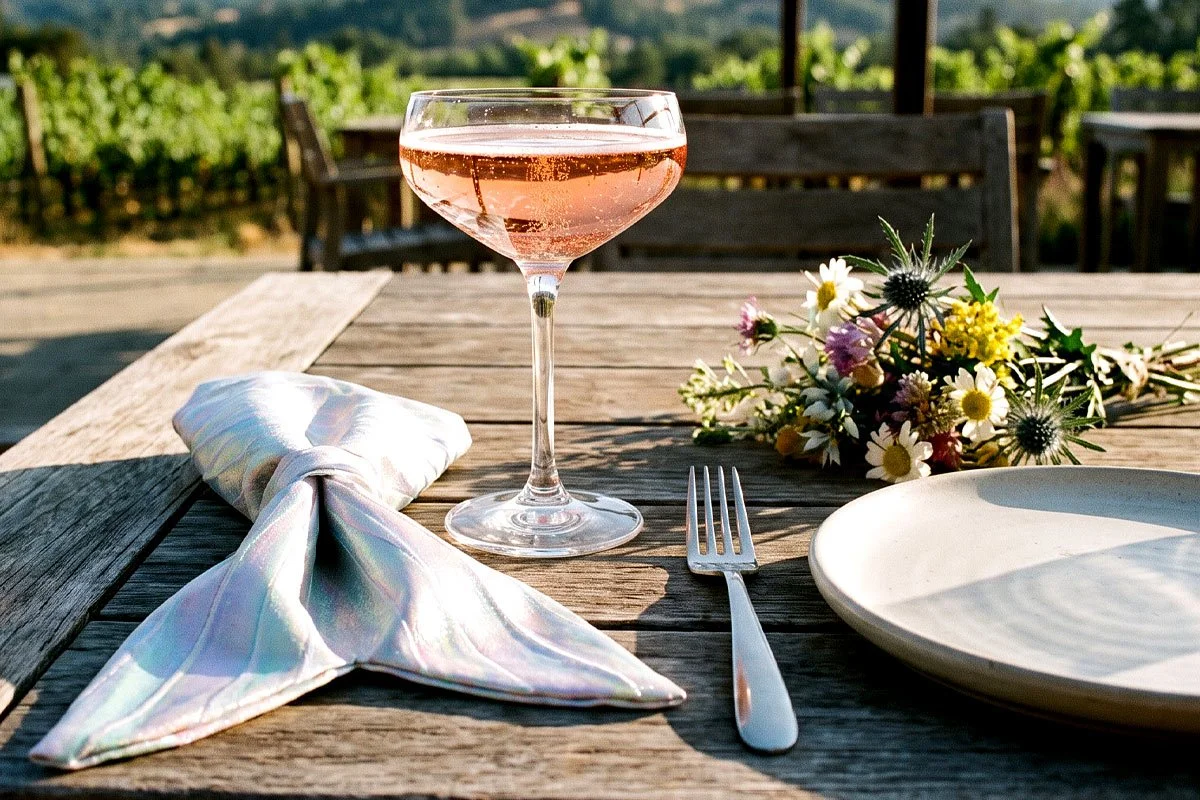
The data doesn't say young people are abandoning wine: It says they're being more deliberate about it.
The headline that "young people aren’t drinking wine" doesn't hold up against some of the most recent data.
Millennials and Gen Z are increasing their participation in wine even as total U.S. wine volume falls. What's actually happening is a little more specific, and more useful for a winery's strategy: a large segment of younger drinkers are following a "drink less, drink better" pattern, spending more per bottle even as they consume less frequently. The headline isn’t a shrinking market. The headline is there’s a different type of buyer to consider, with different economics that most winery pricing and promotion strategy hasn't caught up to yet.
Why "More Volume, Lower Price" is the Wrong Response
A winery watching younger consumption soften can fall into the trap that every declining category falls into: discount to defend volume. That's the wrong instinct for this buyer. If the emerging pattern is fewer occasions at a higher per-bottle spend, then competing on price actively undermines the exact behaviour you want to encourage. Wine is already losing ground to beer and spirits on value perception among younger drinkers, so undercutting your own premium positioning to compete on price makes that problem worse, not better.
What a "Less, But Better" Strategy Looks Like
While the less-but-better approach can mean you sell less volume, it also means having higher margins that make up the difference. But there are also other approaches.
Fewer SKUs, sharper story. A tightly curated, well-told lineup outperforms a broad, discount-driven catalog with this buyer, who is shopping for meaning-per-bottle, not volume-per-dollar.
Premium framing without pretense. Premium doesn't have to be stuffy. In fact it’s better if it isn’t. Premium means confident pricing, strong packaging, and a clear point of view — the same instincts many strong direct-to-consumer lifestyle brands use outside of the wine world.
Occasion-anchored marketing and moments. Instead of marketing based on your same old annual events calendar, create unique and engaging marketing around the moments this buyer already spends more for — a milestone, a trip, a gathering worth marking.
The Luxury Brand Parallel
Luxury categories outside wine have already proven that less volume doesn't mean less profit. A brand that sells fewer units at a higher margin, with strong brand equity and a devoted core audience, can outperform a brand chasing volume at thin margins.
Wineries that are willing to treat a smaller, more deliberate younger buyer as a premium audience (and not a problem to be solved with discounting) are better positioned for where this generation is actually heading as their spending power grows. It takes a bold and confident business approach to do this, but the rewards can be worth the risk in this current environment.
Read more posts about winery marketing.
By Mike Belobradic — Winery, tourism, and hospitality marketing consultant with 30 years of executive brand and marketing leadership across major Canadian financial institutions, now focused on wineries, regional tourism boards, and hospitality brands. WSET-credentialed, culinary-trained, and a KCBS-certified barbecue judge, Mike is the founder of Smoke Fire Grill™ and creator of the Northern Barbecue™ method.
FAQ
If younger consumers are drinking less often, shouldn't a winery focus on frequency instead of price?
Frequency matters, but chasing it through a strategy like discounting your product undercuts the higher per-bottle spend this buyer already shows. A better lever is occasion-based marketing that gives them more reasons to reach for your bottle on the moments for which they already spend more.
Does this mean lowering production or changing what a winery makes?
Not necessarily (though that is a business decision and there could be merit there). It's mainly about a marketing and pricing posture shift — curating the story and presentation around fewer, higher-value moments rather than defaulting to volume-driven promotion.
How does a winery know if this buyer is worth building a strategy around?
Look at engagement quality, not just transaction count: are younger buyers who do purchase wine spending more per bottle, sharing the experience socially, and returning for specific occasions? Those are stronger signals than raw purchase frequency.