
Building a Winery Marketing Calendar Around Memorable Moments to Reach Younger Customers
Is your winery calendar built around your customers’ moments, or yours?
If there’s one thing I see when it comes to winery marketing, it’s that younger drinking behaviour (consumers in their 20s) is shifting towards more intentional, occasion-based consumption rather than routine or regular drinking. There are two things to tackle here:
1) how wine can compete with beer and canned cocktails in everyday life, and
2) what it takes for a winery to get this crowd to visit their winery.
On the first point, recent research shows that wine may be losing the battle against other options (like beer and RTD cocktails) because it’s not doing a great job of making itself relevant. To address that issue, wine needs to reposition itself to be relevant, like many other brand categories have successfully done. The two linked posts in this paragraph cover that topic.
But when it come to to getting 20-something wine drinkers to experience your wines at your winery (the second point to address), another approach is required. In this case, wine is becoming a deliberate choice tied to a specific moment. So a marketing calendar that’s built around a legacy approach to events, or generic mid-summer topics, probably isn’t going to gain any new ground. A marketing calendar that’s built with thoughtful intent around occasions that will resonate with this audience will be far more likely to speak to the buyer you want to engage.
What "occasion-based" Actually Means for a Marketing Calendar
For optimal engagement potential with the younger consumer demograhic, consider marketing strategies and events that anchor to the moments of when and why someone reaches for a glass of wine:
The unwind moment — a Wednesday night reset halfway through the week, positioned around ease and not some ceremony.
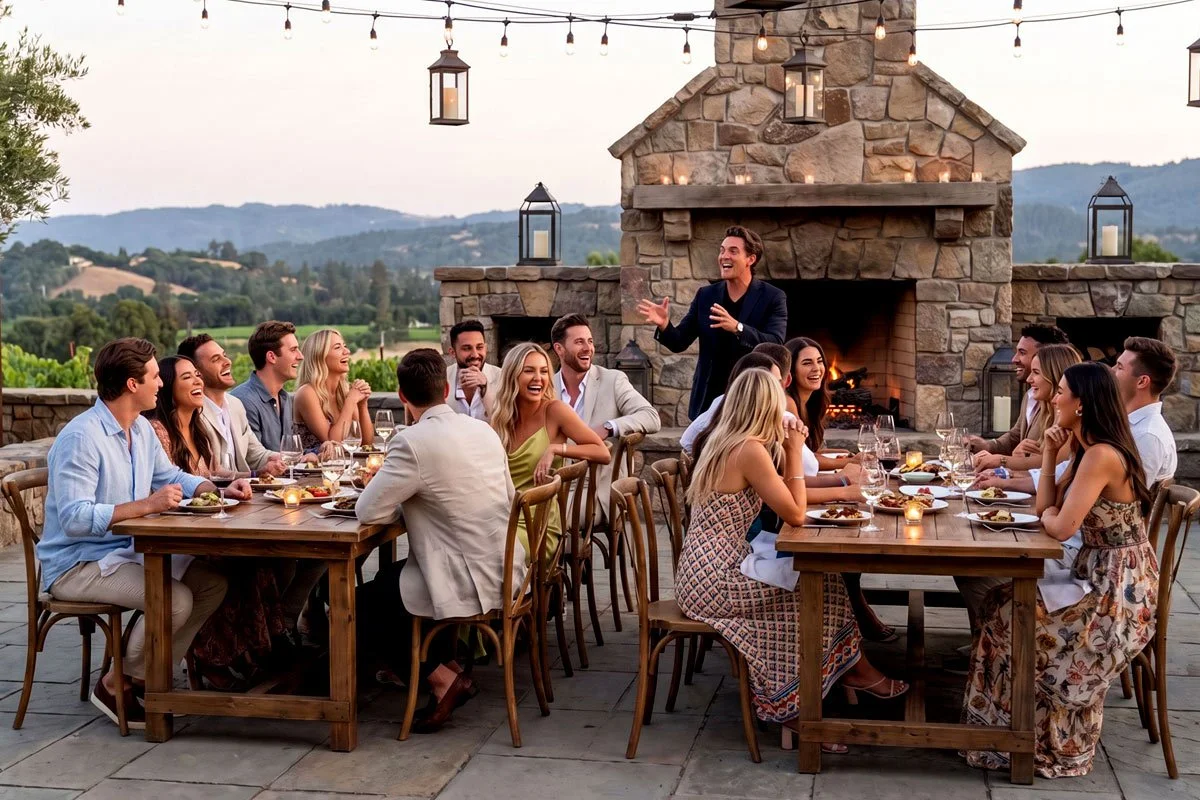
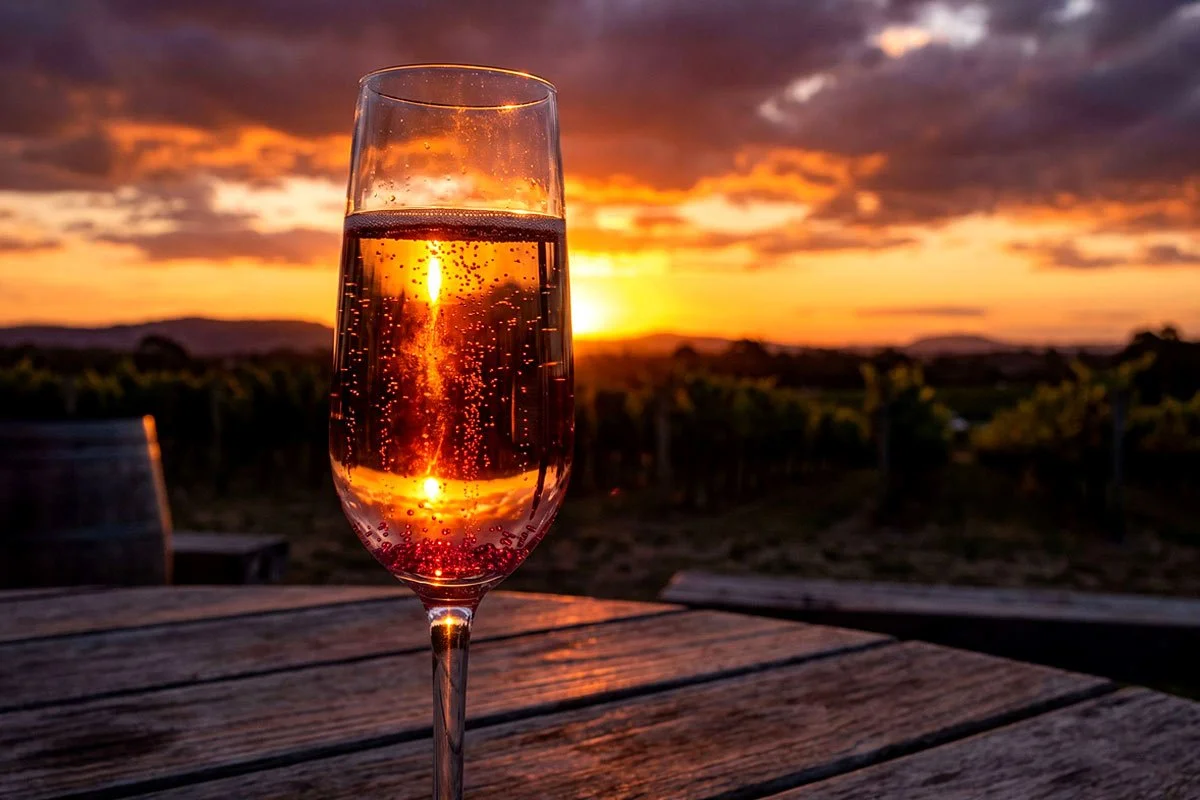
The golden-hour gathering — patio, rooftop or backyard gathering timed to when people are actually outside and social.
The milestone — a trip, a promotion, a reunion, where the bottle marks something rather than just accompanying dinner.
The low-stakes social pour — a bottle brought to someone else's gathering, chosen because it photographs well and travels easily, not because of its production notes.
Why this Matters More as Routine Drinking Declines
If it’s true that younger drinkers are drinking less often (but more intentionally), then the competition for the occasions they do choose is fiercer than it's ever been. This is true in all alcohol categories (not just other wineries) that are competing for that one deliberate pour. A winery with marketing that only shows up during holiday gifting times, or a mid-summer generic culinary event, is invisible for the moments when this buyer is actually making a wine-buying choice for a non-event. Showing up consistently around real-life recurring occasions puts your wine brand in the room more often.
Rebuilding the Calendar
Start by mapping the actual occasions your current and target customers are living throughout the year (or better still, throughout their lifecycle), not the ones your current marketing schedule assumes matter most (these are often inward facing, not customer oriented).
Build your content, releases, and even limited packaging around those moments specifically. A small-format, patio-ready bottling timed to early summer weekends might outperform a technically superior release timed only to when the wine happened to finish barrel aging.
Wineries that plan their events and marketing with true thoughtful intent around how their target market engages with wine will be much more likely to begin creating a brand that resonates, with true staying power.
See more posts about winery marketing.
By Mike Belobradic — Winery, tourism, and hospitality marketing consultant with 30 years of executive brand and marketing leadership across major Canadian financial institutions, now focused on wineries, regional tourism boards, and hospitality brands. WSET-credentialed, culinary-trained, and a KCBS-certified barbecue judge, Mike is the founder of Smoke Fire Grill™ and creator of the Northern Barbecue™ method.
FAQ
Doesn't a winery still need to market around harvest and vintage for credibility?
Not necessarily. That kind of content still belongs on the website and in enthusiast-facing channels, but the shift is about where the primary marketing push and content calendar are weighted. Look towards the moments buyers are living in, not only the moments the winery typically chooses.
How does a smaller winery build an occasion-based calendar without a large content team?
It’s all about quality, not quantity. Start with two or three recurring occasions that are realistic for your customer base and brand — a summer patio moment and a fall gathering moment, for example. Then, build consistent, simple content around those before expanding further.
Is this approach only relevant to younger buyers?
No, but it's effective with them because their consumption is already shifting towards intentional, occasion-driven choices as opposed to everyday drinking. This makes occasion-first marketing land more naturally with this audience than production-first marketing does.