
Storytelling is Your Customer Experience — Until a Piece of Cheese Breaks it
Why a winery's narrative has to live in every touchpoint, not just the marketing
For a hospitality destination like a winery, storytelling isn't a marketing layer added on top of the experience — it is the experience. Guests absorb the brand story through every touchpoint: the website, the tasting room, the menu, and especially what staff say out loud. If even one detail contradicts that story — a "local" menu that isn't actually local, for instance — the narrative breaks, and guests notice immediately, even if they can't pinpoint exactly why.
The Story isn't the Marketing. The Story is the Product.
Most wineries understand, at least in theory, that they're not really selling wine. They're selling a place, and a philosophy, and a sense of where the fruit came from and who's behind it. The tasting notes matter, but the story you tell can be what makes a guest choose your patio over the one next door, and it's what makes them tell their friends about it afterward.
But here's the important point: that story doesn't live only in the brochure or the Instagram captions. It lives in the accumulated, end-to-end details of the actual visit. This includes the way a server describes a pairing, the cheese on the cheese board, the small talk during the pour and more. Marketing sets the expectation. The visit either confirms it (or quietly undermines it), one detail at a time.
A Small Moment that Says a Lot
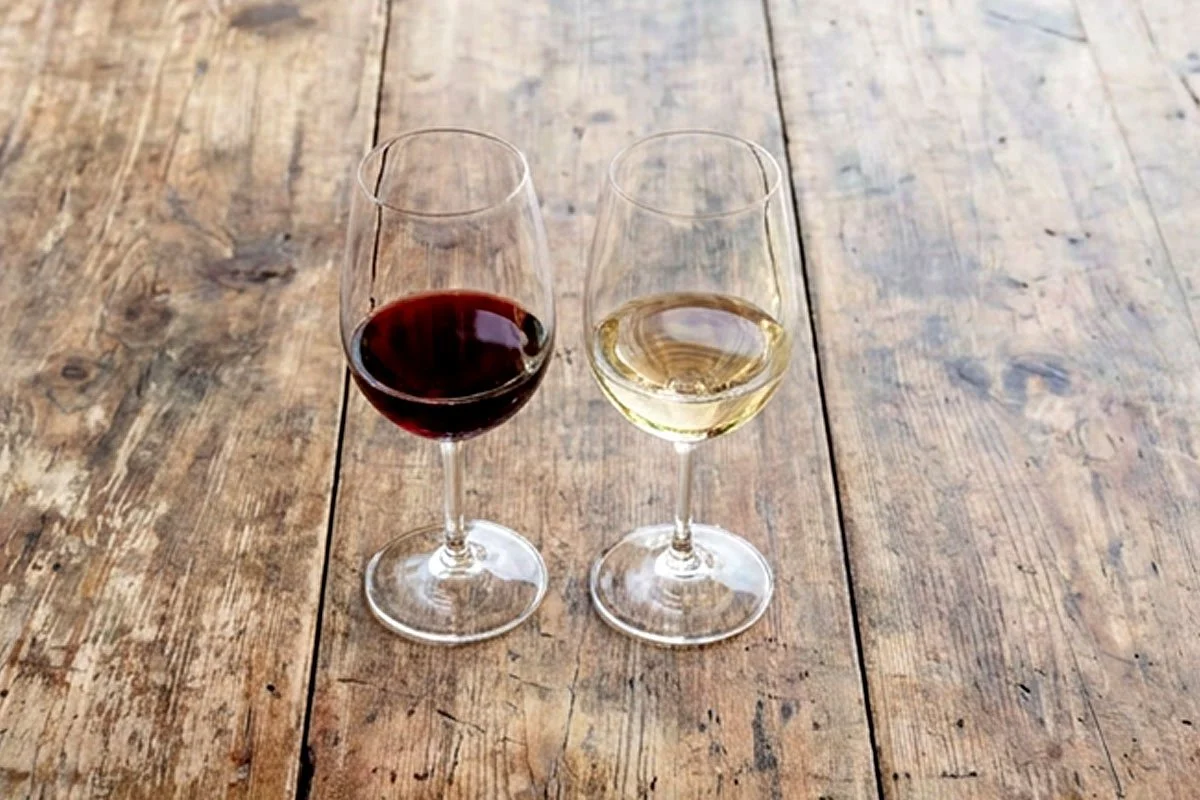
While my wife and I were at a Niagara winery recently, we were sitting outside on the patio for a tasting. The server was genuinely good — knowledgeable, warm, clearly proud of the place. The food menu leaned into "local artisan fare," which was a nice reflection of the local Niagara brand story for this winery. And the server talked us through the menu items with true enthusiasm, including a cheese selection.
Except the cheese, as she told it, was from a small shop in Toronto.
Not from a Niagara producer. Not from anywhere nearby. From the city — an hour or more away, depending on traffic.
My wife and I looked at each other. Neither of us said anything at the table, but afterward we both landed on the same reaction, independently: couldn't they find a local cheese producer? It wasn't that the cheese was bad. It's that the story stopped adding up. Everything else on that patio was telling us "this is local, this is regional, this is Niagara and we support our community." And then one line item quietly said "actually, not that one."
It was a small detail. It didn't ruin the visit. But it broke the spell for a second — and that second is exactly the kind of thing a guest remembers and mentions to someone else, the same way they'd mention a genuinely great detail. Inconsistency is just as shareable as magical moments. It's just not the kind you want shared.
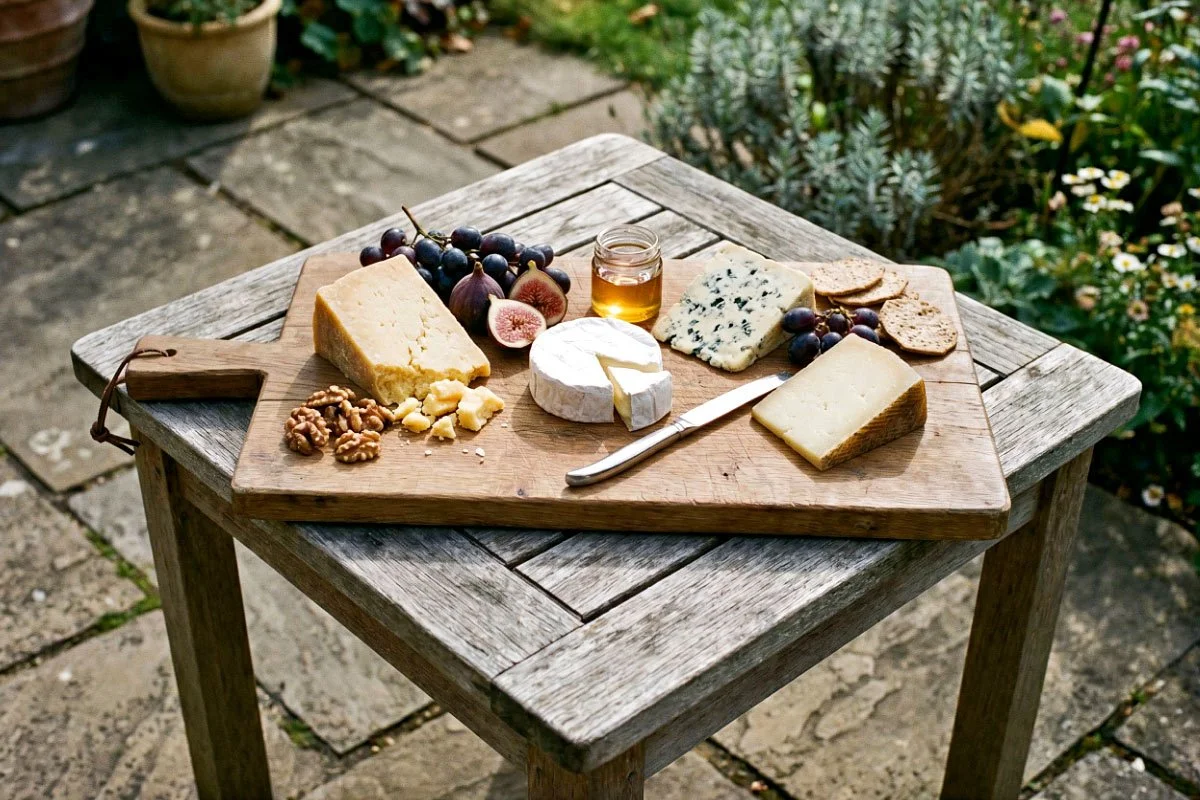
Don't get me wrong — the cheese was fine, but the context broke the storyline. And that's exactly the point: this is how a piece of cheese broke the winery magic. Not because it was bad. Because it didn't belong in the story being told. This is what we remember about this visit and it’s the story we tell others.
This is a real-life example of how storytelling has to be carefully curated – including the menu and how winery employees share the brand stories. Maybe the cheese shop was run by the owner’s brother, or maybe it was run by one of their most loyal customers? These are the discussions we started having at the table. The point being, the winery experience became a discussion centred around a small detail that broke the narrative – and not the wines, a few of which were quite nice.
Why One Inconsistent Detail Undoes So Much
This is the part hospitality brands underestimate: guests don't evaluate a visit detail by detail. They absorb a whole narrative, and they're unconsciously checking every touchpoint against it. A regional-artisan story doesn't need every single element to be flawless — but it does need every element to be consistent, or at least have an explanation if it strays. One contradiction is enough to make a guest quietly downgrade their trust in the rest of the story, even the parts that were true.
That's the real risk. It's not that one imported cheese selection ruins a winery's reputation. It's that once a guest catches one gap between the story and the reality, they start looking for more — and start wondering what else was more marketing than fact.
Where the Brand Story Actually Lives
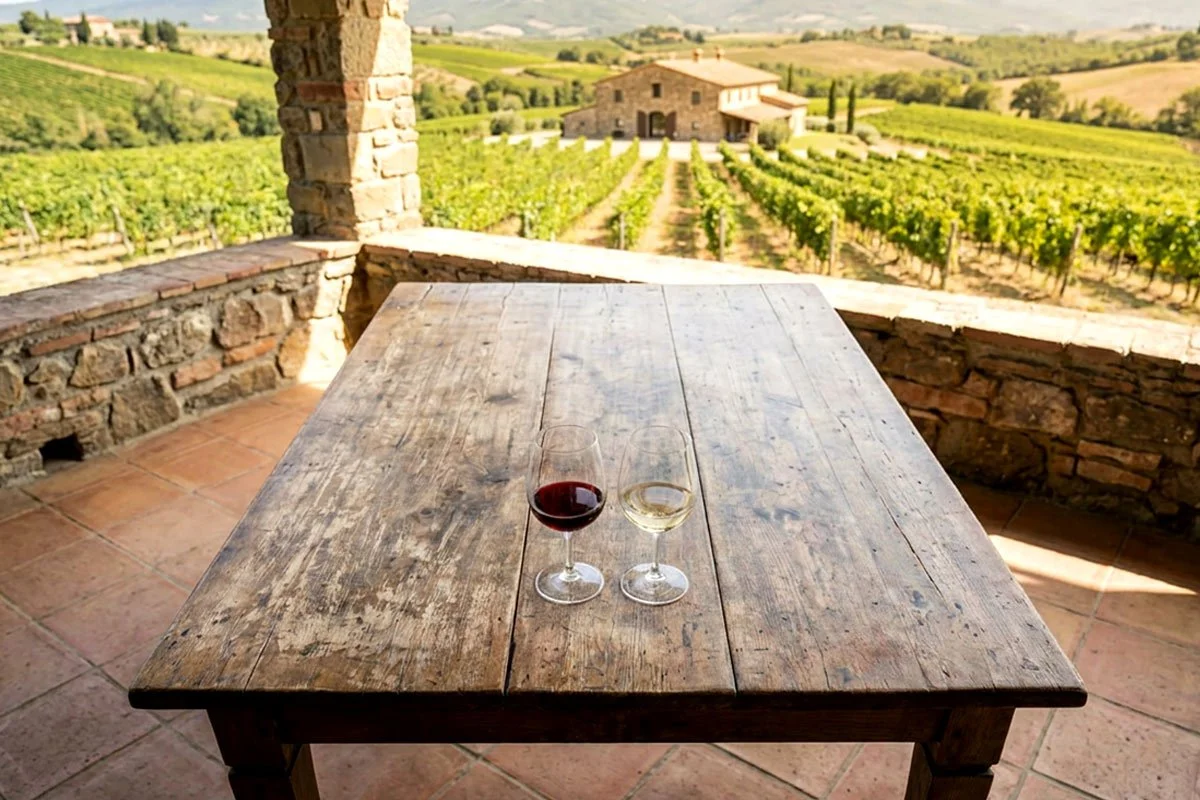
If storytelling is the experience, then it has to be deliberately built into every point where a guest touches the brand, not just the ones marketing directly controls:
The website and social content set the expectation — this is where "local," "artisan," "small-batch," or whatever the core narrative is gets promised.
The physical space either reinforces or contradicts it — signage, menu design, even where products are sourced from need to visibly match the story being told.
Staff, especially servers and tasting room hosts, are the single highest-leverage touchpoint. They're the ones actually narrating the experience in real time, and they're often the least scripted, and the least trained on the "why" behind the details they're sharing (they’re usually pretty knowledgeable about the wine itself). A server who doesn't know — or doesn't think it matters — that the cheese should have come from a nearby producer isn't the problem. The gap in training and internal alignment is.
Sourcing and operational decisions, which usually sit entirely outside of marketing's control, are where the story is either kept intact or quietly broken. If the person choosing vendors doesn't know the brand story depends on local sourcing, they'll optimize for cost or convenience instead — and the story breaks somewhere that marketing will never see coming.
Making the Story Consistent, Not Just Compelling
Here are a few practical starting points for keeping the narrative intact across the whole guest journey:
Write the story down, explicitly, and share it across the entire business – beyond just the marketing team. If the front-of-house staff and the person sourcing menu items haven't heard the actual narrative — not just "be friendly," but "everything on this patio should trace back to this region" — they can't protect it.
Audit touchpoints for contradictions, not just quality. A menu item can be genuinely excellent and still be the wrong detail if it doesn't match the story. Quality and coherence are two different checks.
Train staff on the why, not just the what. A server who understands why local sourcing matters to the brand will make better judgment calls in the moment than one who's just memorized a script.
Treat every vendor and sourcing decision as a storytelling decision. If the narrative is regional and artisanal, that has to extend to a Niagara VQA wine list, a cheese board sourced from a nearby producer, and every other detail a guest might notice — not just the parts that are easy to control from a marketing desk.
A Brand’s Story isn’t a Campaign: it’s the DNA
Storytelling for a winery or a hospitality destination isn't a campaign — it's a standard the whole organization has to hold itself to, visit after visit, detail after detail. Marketing can set the story beautifully. But it only takes one server, one menu item, one small mismatch to remind a guest that the story and the reality aren't quite the same thing.
Get the story right everywhere, and guests don't just enjoy the visit — they believe it. Get it right almost everywhere, and you're one cheese board away from breaking the magic.
Read more posts about winery marketing.
Mike Belobradic is a marketing and brand strategist with 30 years of executive experience, formal culinary training, WSET wine credentials, and certification as a KCBS barbecue judge. He works with wineries, tourism boards, and hospitality brands on brand strategy, guest experience design, and Smoke Fire Grill & Wine sessions exploring the relationship between fire, smoke, and flavour.