
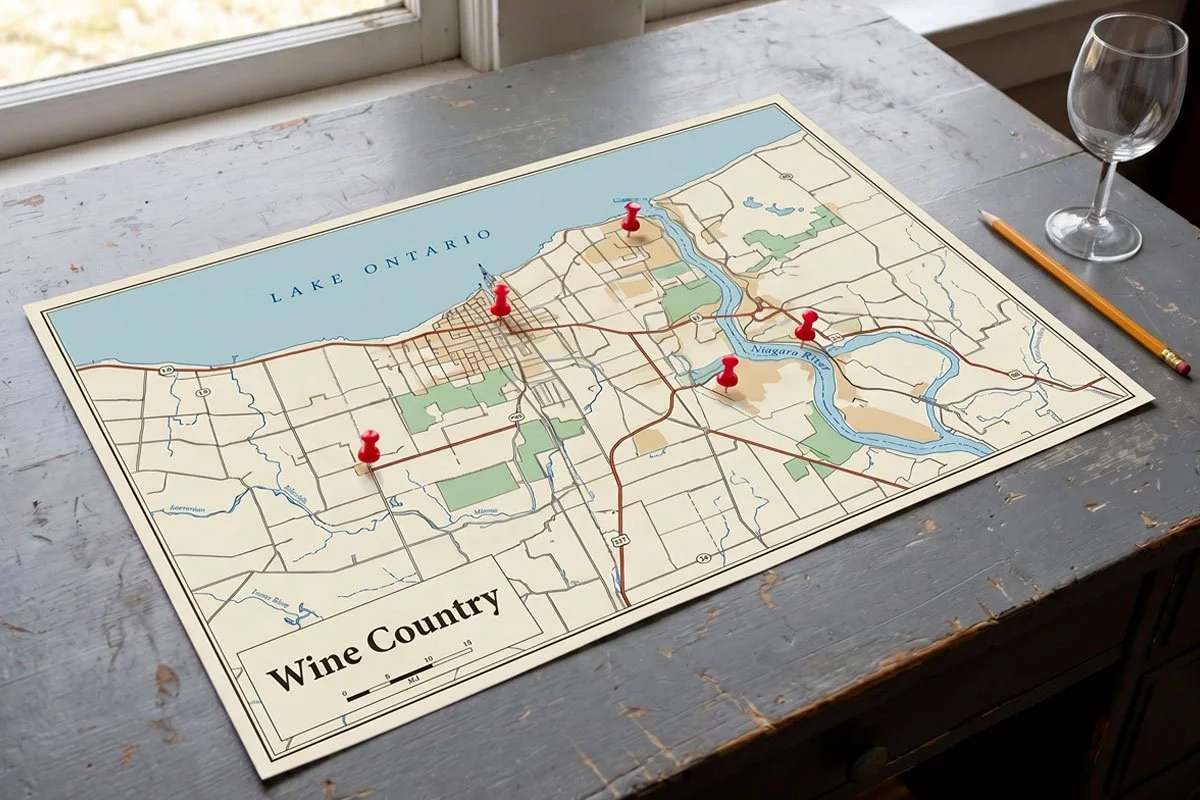
Destination marketing may not be hard to define, but how many marketers can explain what separates a place people remember from one that fades in memory?
Exceptional destination marketing does three things that generic destination marketing doesn't:
It builds every message around one specific, ownable story instead of a shared list of features;
It measures success by economic outcome and conversion, not just reach; and
It earns trust before it chases visibility, because a traveler comparing options isn't short on choices — they're short on certainty.
If you get these three things right, a destination stops being just another stop on someone's trip and starts being the main reason for it.
The Definition Everyone Uses, and Why it Won't Get You Anywhere
If you've searched “Destination Marketing” before landing here, you've already read some version of this:
Destination marketing is how a place identifies its target visitors and shapes messaging to attract them.
This statement is accurate, but it’s almost worthless as a starting point for compelling marketing, because it describes what destination marketing is without touching on what makes it work.
I've spent 30 years building brand strategy, most of it for institutions competing for a discerning audience's trust and attention. The lesson that transfers directly here is this: defining a category correctly has never made anyone remember your brand. What makes a destination memorable isn't the definition — it's the specifics.
Three Things that Generic Marketing Advice Always Skips
1. A List of Amenities is Not a Story.
Beautiful views, great wine, friendly staff — almost every winery or wine region on the planet can talk about these same three things, and most of them do. There’s no differentiation there, because it's basically category noise.
The wineries and regions that actually stick in someone's memory have found the one thing about their place that nobody else can credibly claim, and they've built everything around reinforcing it — every photo, every itinerary suggestion, every line of copy and every memorable moment. That’s a true brand voice and unique value proposition.
2. Followers and Impressions aren’t the Objectives.
Most marketers now know that vanity metrics don’t translate into much. I find that most destination organizations now prioritize measurable conversion and economic impact, moving away from the vanity metrics (website visitors, social reach, ad impressions), which used to pass for success.
However, if your marketing analytics still lead with follower growth or some similar questionable metric, you're optimizing for the wrong scoreboard. If you’re a business leader and you find that anything resembling vanity metrics are what you’re being shown by your marketing team, it’s time to reassess your marketing.
Trust your gut: if you can’t figure out how marketing is contributing to your business and revenue stream, there’s work that can be done to sharpen your efforts.
3. Trust Closes the Sale Before Visibility Ever Gets the Chance To.
A couple choosing where to spend an anniversary weekend, or a group of travelers with three days and six wine regions to choose from, aren’t short on options — they're short on certainty that any one of their options will actually deliver on what its marketing promises. Getting found is only half the battle (the easier half). The other half is giving the potential visitor – or more likely, an AI search platform that’s answering a travel question on their behalf – a real reason to believe you and recommend your region as the must-visit option.
Why the Bar Keeps Rising for Wine and Culinary Travel
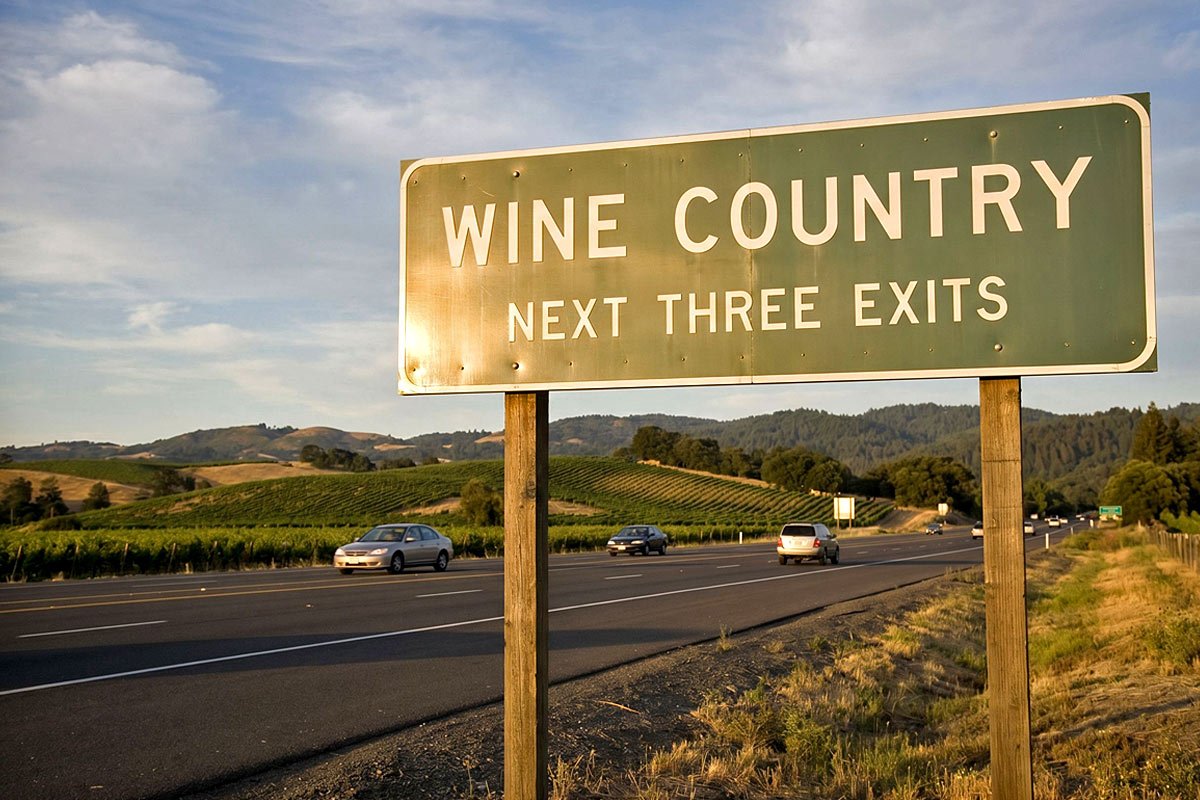
Wine tourism has stopped being a nice add-on to a broader trip — it's becoming the reason for the trip. Travelers are increasingly searching for personalized, immersive experiences that combine wine tasting, local gastronomy, cultural heritage, and scenic landscapes. This means that a generic "come taste our wine" message is now competing against destinations around the globe that have already learned how to sell a story instead of a tasting flight. The messaging and brand story component of your marketing strategy is a living being. Standing still or staying in your comfort zone isn’t a safe strategy.
For a single winery, that makes destination marketing inseparable from brand strategy — it's not a separate function you bolt on to your “real” marketing, it is the marketing. For a tourism board in wine country, it means the wineries, restaurants, and hospitality partners across a region aren't competitors to referee — they're collaborators whose individual stories need to add up to something bigger than any one of them could tell alone. This is something you (hopefully) intuitively know, but actioning that point effectively can be a challenge for some (the heritage campaigns that I see occasionally are direct evidence of that gap).
Where the Real Work Starts
When it comes to destination marketing for a tourism board, a region or an association, the real work starts with finding the one story that your place/region can own – ideally one that nobody else can convincingly copy. Then, sequencing that story consistently across every partner and touchpoint so it compounds instead of fragments, and builds the kind of proof — reviews, press, structured content that AI tools can actually read and trust — that lets a potential visitor verify the promise before they ever book time in the region.
That's brand strategy work as much as marketing work, and it's usually the point where a fresh, outside perspective is worth more than another round table in the same room.
Read more in What Destination Marketers Get Wrong About Culinary Tourism, or see more posts about destination marketing.
By Mike Belobradic — Winery, Tourism & Hospitality Marketing Consultant, 30 Years in Brand Strategy, WSET-Certified, Founder of Smoke Fire Grill™ and the Northern Barbecue™ method
FAQ
What is destination marketing, really?
It's the work of making a place the reason someone travels — built around one specific, ownable story, not a list of amenities every competiting region can claim just as easily.
How is destination marketing different from regular marketing?
Regular marketing sells a product or a single transaction. Destination marketing has to work across many stakeholders and touchpoints at once, because the thing being sold is an experience tied to a physical place a traveler has to choose over dozens of alternatives.
What's the most common mistake destinations make?
Leading with features — good wine, nice views, friendly service — instead of the one story that's actually theirs alone to tell.
Does destination marketing matter for a single winery, or just tourism boards?
Both, and increasingly in the same way. Wine tourism is now a reason people plan entire trips, which means a winery's own marketing is functioning as destination marketing as well, whether it's built that way on purpose or not.