
Why Special Events are the Most Underused Marketing Channel in the Wine Industry
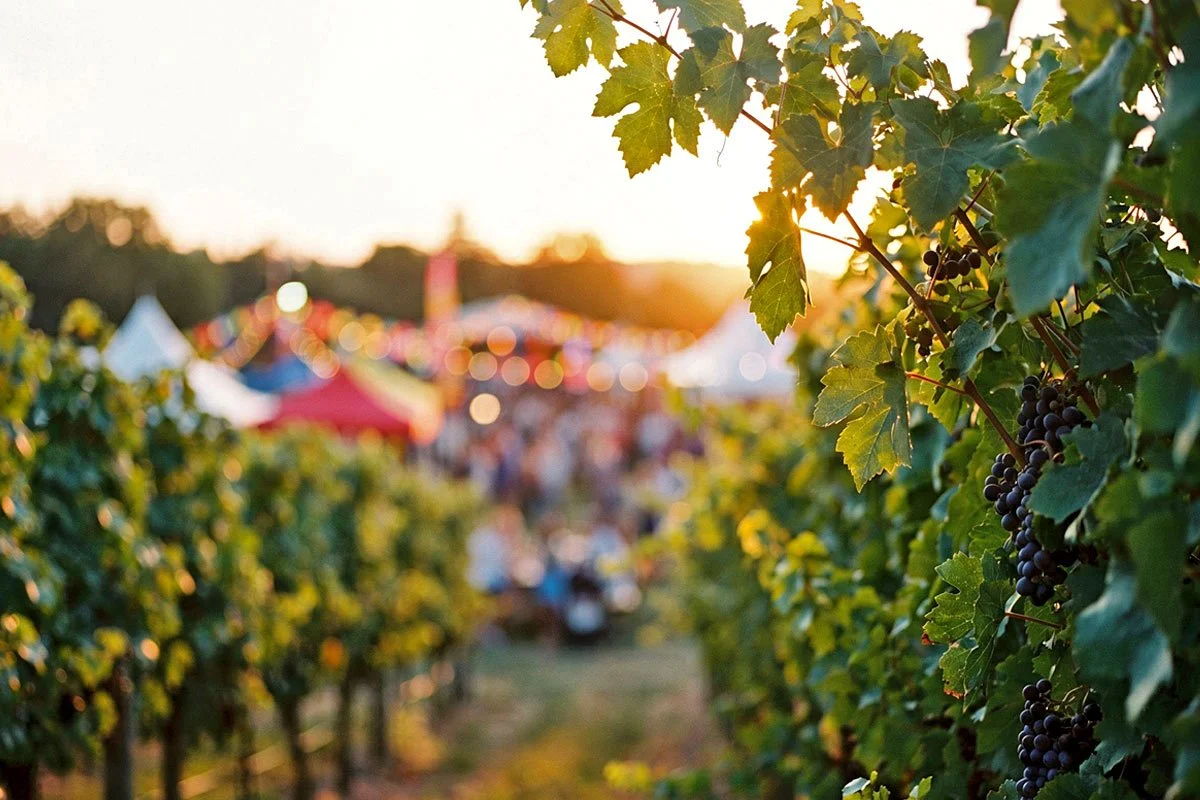
A single well-designed event can do the job of five separate marketing methods — but many wineries aren't running their events that way.
Special events are underused in wine industry marketing because many wineries treat them as one-off hospitality (a nice evening, a seasonal gathering, or the annual how-to-make-a-pizza afternoon) rather than as a marketing channel with measurable, compounding returns. When I look at the extensive list of events for almost any wine region — and assess those events against the perceived marketing strategy of the winery — there is typically a gap or complete lack of cohesion.
That’s a missed opportunity, because a well-designed event can do several things:
it attracts new customers who would never respond to any other sales pitch,
it proves the winery is a vibrant, living place and not just a static tasting room,
it positions the winery and its people as genuine experts rather than sellers,
it generates real earned media and word of mouth, and
it sets up the next event in the sequence and reinforces the value proposition and story of the winery.
Very few marketing channels do five jobs at once. Yet I don’t often see many wineries running events like they know that.
Events are the Rare Channel that Works on Someone Who isn't Ready to Buy
Most marketing has to earn attention from someone who’s actively looking. A paid ad, an email campaign, even a great blog post all depend on someone already in buying mode or a research mindset.
Events don't work that way.
Someone can come to a themed dinner, a wine blending workshop, or a live-fire and wine pairing evening purely because it sounds like a good night out — with zero purchase intent when they walk in the door. That's a completely different kind of customer acquisition, and it works because it doesn't feel like acquisition at all.
This lines up with what the research on experiential marketing consistently shows: immersive, in-person brand experiences move people in ways that passive advertising or traditional methods do not. Ninety per cent of consumers say that immersive brand experiences directly strengthen their purchase intent — a conversion signal other channels can’t even come close to matching. A winery that only markets to people already searching for wine is ignoring a much bigger group of people who could become your next customers if they’re given a good reason to walk through your door.
Make Your Events Work Harder for You: One Event, Five Benefits
This is the part most wineries underrate or miss entirely: a single well-run event isn't doing one marketing job, it's doing several things at once, if it's built with thoughtful intent.
1. New customer acquisition.
An event brings in people who wouldn't have found the winery through search, ads, or word of mouth about the wine itself — they came for the dinner, the live music, the guest chef, the practical info session or the theme. Some percentage of them become wine club members and repeat visitors who'd never have stepped foot on the property or been converted through a normal channel.
2. Proof that the place is alive.
A quiet tasting room on a Tuesday afternoon says nothing about a brand. A room full of people at a fire and wine celebration or a blending night says everything. These types of events make the winery a destination – a place people actually want to be. That signal is very hard to manufacture through content alone.
3. Thought leadership, in person.
An event built around real expertise (a winemaker leading a blending session, a structured tasting that actually teaches something, a pairing evening grounded in real technique that’s unique) does more to establish authority than almost any amount of written content, because it's live, unscripted, and impossible to fake.
This is also where speaking and hosting fit naturally: a winery or region that treats its events as a platform for genuine expertise, not just hospitality, ends up building the kind of reputation that gets it invited to host, speak, and appear well beyond its own address. This kind of winery is building an authoritative brand with real strength behind it. Most competitors are not doing this.
4. Earned media and word of mouth.
Journalists, local media, and influencers cover unique events, but they’ll rarely cover a tasting room's everyday ambiance. And the audience that attends these events becomes an unpaid distribution channel of its own. Word of mouth remains one of the most trusted forms of marketing that exists, with the vast majority of consumers saying they trust word-of-mouth referrals more than any other form of advertising. An event that gives people something worth talking about is quietly one of the highest-leverage media strategies a winery has access to, at a fraction of a PR budget. Yet I don’t see many that are actively focusing on this potential brand booster.
5. A link in a longer chain.
The mistake that a lot of wineries make is treating each event as its own island. The wineries getting real compounding value out of events treat each one as a link in a sequence — tonight's dinner sets up an invitation to next season's release party, which sets up the following year's anniversary event. Each event isn't just generating a single night of revenue and goodwill; it's generating the next reason to come back for the follow-up or next related event.
Why Events are so Underused
So, the obvious question is: If events do all of this, why aren't more wineries treating them as a core marketing channel instead of an occasional hospitality flourish?
From my perspective, it’s mainly because events are harder to plan, harder to staff, and harder to measure in a spreadsheet than a paid ad campaign — so they get treated as a seasonal extra rather than a strategic line item. That's a mistake. A channel that does the acquisition job, the brand job, the authority job, and the media job simultaneously deserves more strategic weight than most wineries are giving it, not less.
See more posts about winery marketing.
By Mike Belobradic — Winery, Tourism & Hospitality Marketing Consultant, 30 Years in Brand Strategy, WSET-Certified, Founder of Smoke Fire Grill™ and the Northern Barbecue™ method
FAQ
Why are special events considered an underused marketing channel for wineries?
Because most wineries treat events as occasional hospitality rather than a deliberate marketing channel, missing the fact that a single well-designed event can simultaneously drive new customer acquisition, brand perception, authority, and earned media.
How do winery events help with customer acquisition specifically?
Events attract people who aren't yet in a wine-buying mindset. Event guests come for the experience itself, which means that events reach a completely different, often larger, pool of potential customers than traditional marketing that only targets people already searching for wine.
Why does word of mouth matter so much for event-based marketing?
Because personal recommendations remain one of the most trusted forms of marketing available, and a well-designed event gives attendees something genuinely worth talking about — turning guests into an unpaid distribution channel.
What's the biggest mistake wineries make with their event strategy?
Treating each event as a standalone occasion instead of one link in a longer, deliberately sequenced chain. Even when they hold events, they’re likely missing out on the compounding value that comes from each event setting up the next one.