
Is the Wine Scorecard Dead? Why 90+ Points Doesn't Sell to a 20-Something
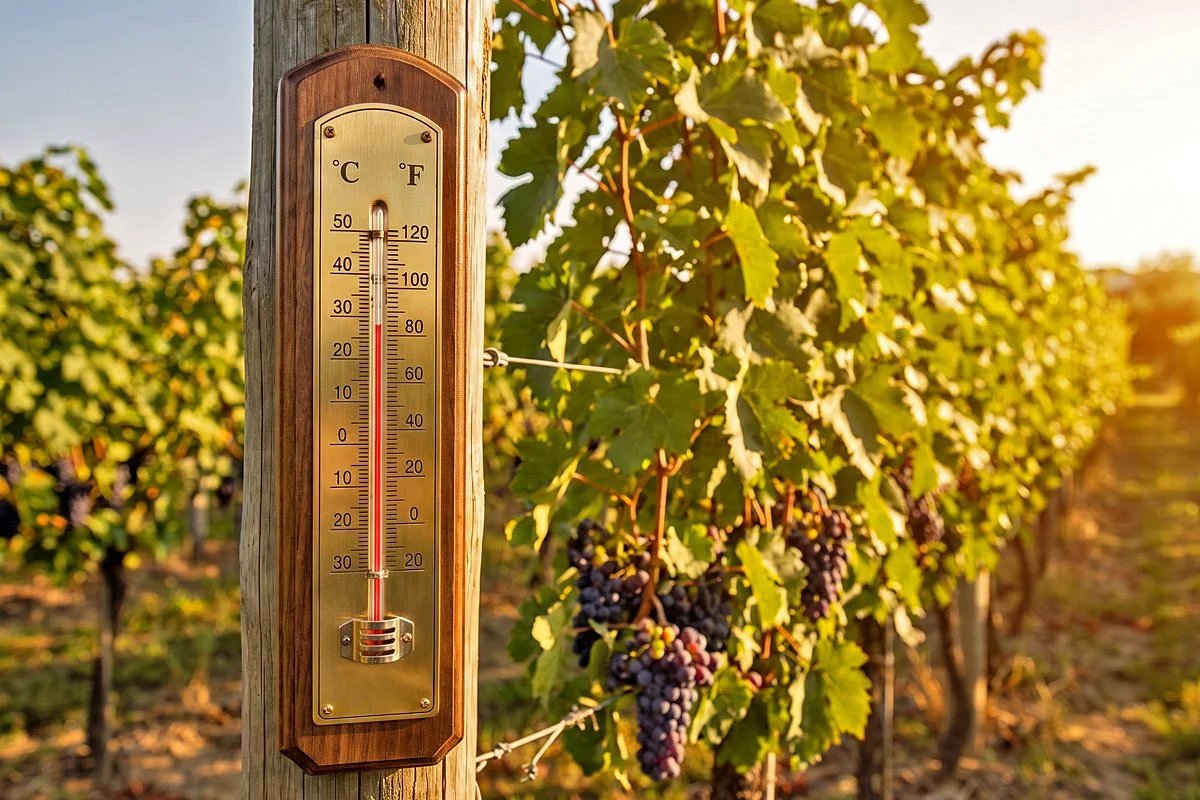
The old signals of quality might not be as meaningful to the newest generation of wine buyers
Wine brands have long leveraged a critic's score, a winery’s pedigree, or a cellar's investment potential to position themselves to buyers as a luxe brand. But that old school system might not hold as much authority with younger drinkers. Quality matters, but that kind of proof of quality risks falling flat with the younger crowd.
Research into the newest legal-drinking-age cohort shows that the traditional wine signals — high scores, prestigious producers, cellar-worthiness — are increasingly irrelevant to how 20-something wine drinkers decide what to buy (or which winery to visit). If your winery's marketing still leans on the 90-point sticker as its closing argument, you're making an argument this buyer doesn’t care about.
Why the Wine Scorecard Stopped Working
The 100-point scale was built for a buyer facing an overwhelming, unfamiliar category and looking for a shortcut to confidence. It solved a real problem, but it solved it for a shopper who no longer represents the growth opportunity in the wine market.
Wine currently sits a distant third behind beer and spirits as the preferred drink among consumers aged 21 to 39. That's not a taste problem, it's a trust-and-relevance problem (among other things), and critic scores aren't the trust mechanism this buyer uses. In fact, they could be reinforcing the stodgy negative image of wine that some people hold.
The trust mechanism for the younger crowd is social proof from people who look like them. Brand personality and whether a bottle fits the moment they're already living in are key parts of that mix.
What's Replacing the Wine Score Sticker?
Three marketing signals are doing the work that a wine score used to do:
Visual identity. Label design, bottle shape, and how the wine photographs matter more than a shelf-note that cites a critic's review.
Peer and creator endorsement. A bartender's social reel or a friend's story carries more weight than a magazine score for a wine (something that very few in this age group read, or care about).
Narrative consistency. The narrative that resonates isn’t the technical story of soil and clone selection, it’s the human story of who makes it and why, told the way a founder-led consumer brand would tell it in an engaging, genuine and relatable way.
The Wine Craft Doesn't Disappear — it Moves to the Back
This post isn't an argument for abandoning winemaking craft from your marketing or brand strategy. It's an argument for relocating those elements to better place in your marketing mix or website. The technical depth still belongs on your website's story page, and maybe on the back label for the enthusiast who goes looking for it. It just can't be the headline anymore for the buyer you're trying to earn for the next 20 or 30 years.
What this Means for your Winery's Marketing
Audit your current marketing assets and count how many lean on things like a wine score, an award, or a technical claim (anything along those lines), compared to how many feature a feeling, a moment, or a genuine person. If the ratio skews heavily towards the former, you're optimizing for a shrinking buyer and under-marketing to a growing one.
Read more about wine regions becoming a vibe or how to market your winery to younger wine drinkers.
By Mike Belobradic — Winery, tourism, and hospitality marketing consultant with 30 years of executive brand and marketing leadership across major Canadian financial institutions, now focused on wineries, regional tourism boards, and hospitality brands. WSET-credentialed, culinary-trained, and a KCBS-certified barbecue judge, Mike is the founder of Smoke Fire Grill™ and creator of the Northern Barbecue™ method.
FAQ
Do critic scores still matter in wine marketing?
Yes, for a specific and shrinking segment of collectors, and for older enthusiasts who still use scores as a purchase shortcut. But leading with scores as your primary marketing message underperforms with buyers under 40, who rely on different trust signals entirely.
Does dropping scores from marketing mean lowering quality standards?
No. Winemaking craft doesn't change. What changes is where that story is told — moved from the front-facing marketing message to the deeper content a curious buyer can seek out on your own terms.
What should replace a critic score on a product page or shelf talker?
A short, human sentence about who made it, why, and what moment it's built for will likely outperform a numeric score with this audience. If you pair it with strong photography and a clear sense of occasion, the message is even stronger.