
Why Your Winery's Content Marketing Strategy Should Start with Words, Not Visuals
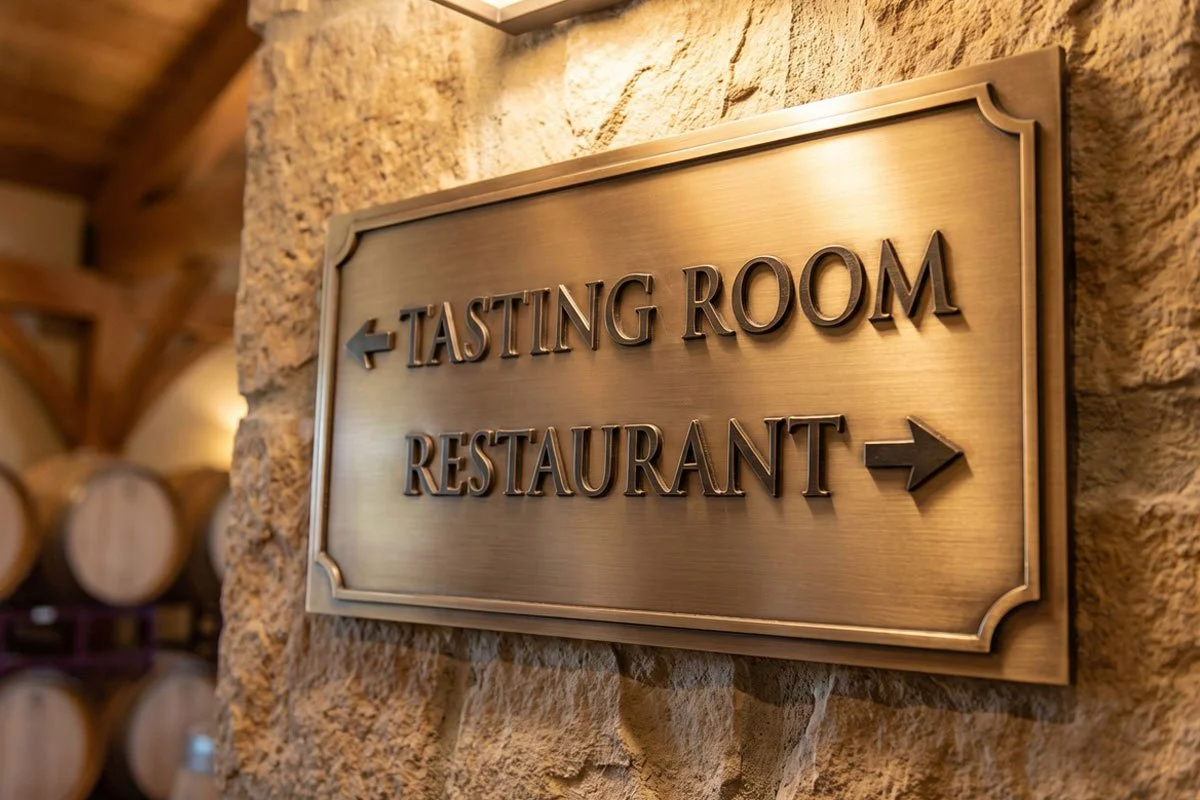
A great photo can show what your winery looks like, but it takes more than visuals to engage your audience
It's tempting to start a content strategy with a photo shoot. But even a perfect photo can't tell a visitor who your winery is for, what makes you different from the winery down the road, or why they should choose you over a dozen other options in the same area. That's the job of writing, and it has to happen before the camera comes out, not after.
I've watched this play out more than once: a business invests seriously in photography or video, the content looks genuinely impressive, and it still doesn't move the needle like you thought. Why? Because nobody did the harder work of deciding what the content was actually supposed to say, alongside that great visual.
Visuals Show. Writing Drives Decisions.
A photo of a sunlit patio, a poured glass, or a view over the vines are valuable and compelling images, but they're one-dimensional. They show what something looks like. They don't, on their own, answer the questions that actually drive a visit decision: Is this the right winery for a quiet afternoon, or is it better for a lively group outing? What makes this experience worth the drive when there are other wineries closer? What's the actual story behind this brand that makes it worth remembering?
Those are writing questions. They require deciding — in words — what your unique value proposition actually is and what your brand voice sounds like. Only once those decisions are made does it become clear what a photo should even be trying to communicate, or what a video should be built around.
What Happens when Visuals Happen First?
I've seen the pattern enough to know what can happen if a winery or tourism association invests in strong photography or a polished video, before working through the brand strategy. The visual content doesn't perform as effectively as you thought it would. Even when the visuals are excellent, if no one has defined (in writing) what those visuals were supposed to say about the brand, the result is content that's beautiful, but generic. You end up with gorgeous, but interchangeable pics that look like a dozen other wineries' equally good content.
This is the same type of failure I've written about before with respect to generic brand language — "an unforgettable experience in a stunning setting" could be the caption under almost any winery photo anywhere on earth. Without the writing work done first, even excellent visuals tend to drift toward that same generic territory, because there's no specific story anchoring them.
Writing Forces the Specifics that Visuals Can't Provide on their Own
You’re not trying to win a photo contest; you’re trying to craft a compelling brand story.
Sitting down to actually write your unique value proposition and brand voice first has a way of exposing gaps that a photo shoot never will. Trying to write, in a single clear sentence, why a visitor should choose your winery over another one nearby is harder than it sounds. If it's hard to answer specifically, that's not a writing problem to rush or skip, it's a sign that the underlying positioning isn't clear yet. No amount of beautiful photography is going to compensate for that.
Once that sentence exists — once you can say plainly what you're all about, who you're for, and what makes the experience genuinely distinct — everything downstream gets easier. A photographer knows what to frame. A social caption knows what tone to strike. A website page knows what to lead with. The writing doesn't replace any of this: it gives them a reason to exist beyond looking nice.
This Doesn't Mean Visuals aren’t Important: Because they Are
There’s no question that photos and video are important parts of the content marketing mix.
The main point to remember is that it’s more about sequence, and not priority of one or the other. Writing needs to happen first (even if it's a high-level brief). A clear paragraph defining your UVP and your winery brand voice can help, because it's the thing every visual decision should be measured against afterwards (do the photos support the brand personality?).
And don’t let AI write your value proposition for you, at least not without a lot of input, guidance and editing from your marketing team. You need to consider that anything you get from AI is also being given to a hundred other wineries asking the same question. AI is a great assistant, but use it efficiently as an idea generator or a way to distill or sharpen what you create. Don’t give it carte blanche to create your wine brand voice for you. That won’t end well.
A winery that gets the writing right first, even with average photography, will generally out-communicate a winery with excellent photography and no clear story behind it.
See more about my content creation services for wineries.
Mike Belobradic is a winery and tourism marketing consultant with 30 years of executive marketing and brand leadership experience in HNW wealth management and luxury travel. He holds WSET wine and spirits credentials, has formal culinary training, and is a KCBS-certified barbecue judge.
FAQ
Does this mean I shouldn't invest in photography until my brand strategy is finished?
You don’t need to have a full formal strategy in place, but at a minimum, a clear, written sense of your unique value proposition (UVP) and brand voice should exist before a photo shoot is planned. This ensures that the photography has something specific to communicate and won’t just be stock generic wine-country imagery.
What if I already have strong photography, but weak or inconsistent brand messaging?
That's a common and fixable situation. Your existing photography can be recontextualized and paired with new writing instead of having to reshoot entirely (once the underlying UVP and brand voice are clarified).
Isn't this only true for social media, where visuals lead, and not for something like a blog?
The principle holds true across formats, including social media. Even a strong Instagram photo performs better with a caption and strategy rooted in a clear brand voice.
How long does it take to get the writing foundation right?
It varies, but a focused engagement to define UVP and brand voice is typically far faster than a full photography or video production, which is why it makes sense to do first.