
The Culinary Tourism Mistake that Destination Marketers Keep Making
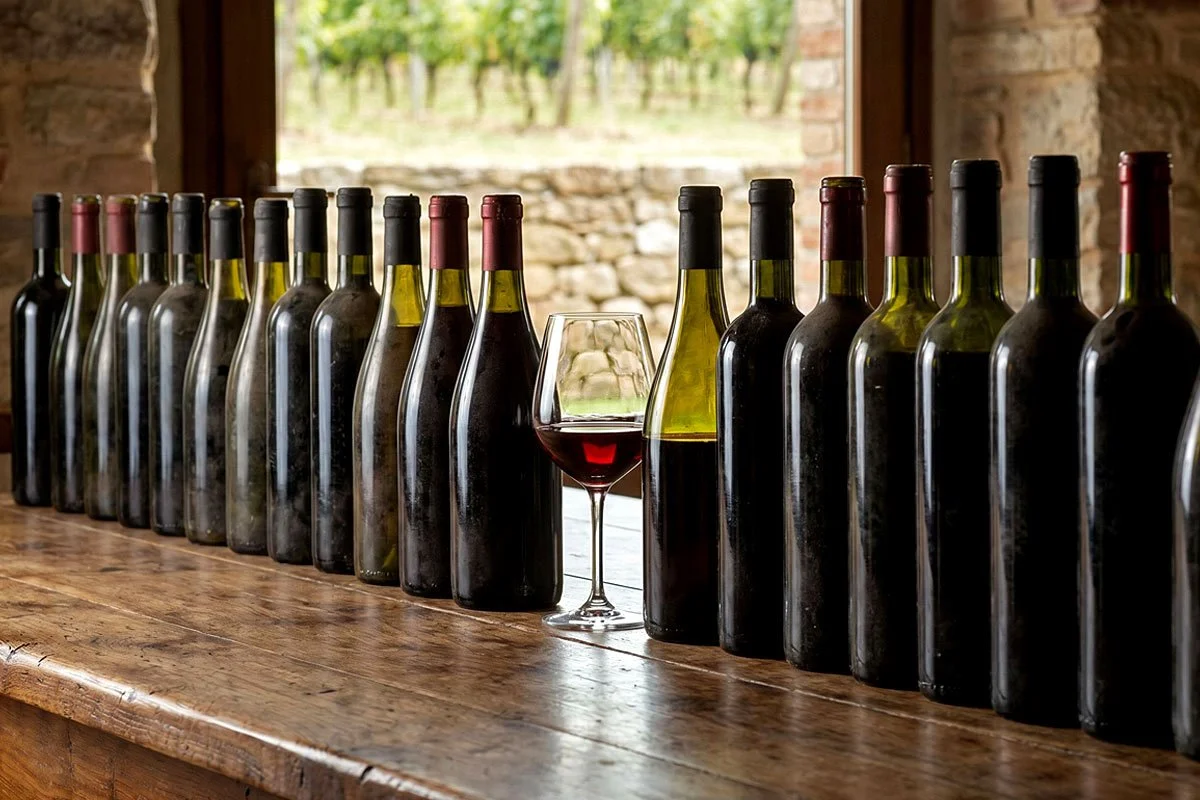
A destination isn't a list of wineries, restaurants, and attractions. It's a feeling that’s the sum of those things.
If there’s one marketing mistake that I see most often in food and wine tourism marketing, it’s this: treating a destination as a collection of parts — a winery list, a restaurant guide, an attractions map — instead of a single, cohesive feeling that those parts are supposed to be (the destination). A traveler isn't choosing a spreadsheet of options. They're choosing a sense of place: what it will feel like to be there, what kind of person they'll be for a weekend, what stories they'll tell afterwards. Research on how travelers choose destinations consistently shows that travelers strongly prioritize culinary factors when deciding where to go. Specifically, a destination's culinary identity plays a major role in that decision. But that identity isn’t built by cataloging assets, it's built by orchestrating them into one unmistakable feeling.
What is a Destination Actually Selling?
It may sound like a trick question, but the truth is that a lot of destinations may be missing out on a better way to approach their marketing.
Start at the highest level, because this is what many destination marketers don’t do. It’s easy to start with the parts that make up the sum, because that’s what you know best. But a destination isn’t actually selling wineries, restaurants, or attractions, it's selling a feeling that is the combination of all of those things. It’s the anticipation of what a weekend there will be like and the sense of stepping into a place with its own rhythm and character. This is the story a visitor gets to bring home and repeat to their friends. The individual components — the tasting rooms, the tables, the old town — are the raw materials, they are not, on their own, the product.
This isn't theoretical marketing either, because it repeatedly shows up in research: sensory and experiential quality, not the sheer number of options available, is what drives a traveler's satisfaction and a visitor’s intent to return. The overall perceived value of a destination's local cuisine, along with the sensory quality of the experience, is what influences whether a visitor wants to repeat that experience (and not that there’s a long list of restaurants, wineries or attractions to visit).
The Mistake: Marketing the Trees, Not the Forest
While a lot of destinations do get this right, an equal number have room for improvement.
For those not quite hitting the mark, here's the pattern I see most frequently across regions that are otherwise doing okay: the marketing is organized around inventory. A winery directory. A restaurant guide. An events calendar. A map with pins on it. Each individual asset gets its fair listing, its photo, its two-sentence description — and the sum of all that effort is a destination that reads like a directory, not a place.
The mistake is putting everything into a list and making that the core of the marketing initiative, instead of positioning them to add up to something bigger and more engaging. A visitor scanning a directory has to do the work of imagining the feeling themselves. A list leaves it to the visitor to stitch together 12 winery listings and eight restaurant profiles into a mental picture of what an actual weekend there would be like. Travelers shouldn’t have to do that work and if a competing region is doing a better job of it, they’ll move on to the destination that already did it for them.

Why this Happens (Even to Marketers who Know Better)
This is a classic forest-and-trees scenario, and it's an understandable one.
Whoever is closest to a region's marketing — a tourism board, a regional association, an internal team — is also the person who knows every individual asset very well. They know which winery has the best patio, which restaurant just changed its menu, which walking trail just reopened after construction and so on. That closeness is valuable operationally, but it's a liability strategically because it makes the list feel like the point. When you know all 50 trees in the forest, it's genuinely hard to step back far enough to see — or design — the beauty of the forest as a whole. Travelers and guests are drawn to the beauty of the forest as a whole, not a list of each tree that comprises the forest.
This is tunnel vision in its most common form, and it's not usually a marketing competence problem. The people best positioned to catalog a destination's assets are almost never the people best positioned to see what feeling those assets should be adding up to, because they're too close to the parts to evaluate the whole.
So How Do You Fix It?
The fix is to step back far enough to answer one question before doing anything else.
Ask yourself this: what is the one feeling this destination should own, that no comparable destination can also claim to be? It’s harder than it sounds (it’s basically the development of a unique value proposition), but once that's answered, the individual wineries, restaurants, and attractions stop being independent entries in a catalog and start being the proof points for a single, specific story that the destination is telling about itself.
This is where an outside set of eyes can really help.
It's a genuinely difficult thing to do from inside the forest when you know every tree so well and have watched them grow from saplings. It usually takes someone standing outside of it — with no attachment to any individual listing, no history with any specific stakeholder, and no instinct to protect the inventory — to actually see the shape of what's missing, and rebuild the marketing around the feeling instead of the list.
Read more in What Destination Marketers Get Wrong About Culinary Tourism. See more posts about destination marketing.
By Mike Belobradic — Winery, Tourism & Hospitality Marketing Consultant, 30 Years in Brand Strategy, WSET-Certified, Founder of Smoke Fire Grill™ and the Northern Barbecue™ method
FAQ
What's the most common mistake in food and wine tourism marketing?
Treating a destination as a catalog of individual assets — wineries, restaurants, attractions — instead of combining those assets into one cohesive feeling or sense of place that a traveler can imagine before they arrive.
Why do destinations market themselves this way if it doesn't work well?
Because the people closest to a region's marketing usually know every individual asset intimately, which makes cataloging feel natural. Being that close to something makes it hard to step back and see how the assets can combine to become a more engaging coherent experience.
What does a destination actually sell, if not its individual attractions?
A feeling — the anticipation and sense of place a traveler imagines before arriving. It’s the story they'll tell afterwards about the entire place. Individual wineries, restaurants, and attractions are the raw material for that feeling, not the product itself.
Why does an outside perspective help fix this problem?
Because tunnel vision on this issue is a proximity problem, not a skill problem. Someone without day-to-day attachment to individual wineries, restaurants and attractions is often better positioned to see the missing shape of the whole and can help to rebuild marketing around a single ownable feeling.